












What is CPaaS?
Communications Platform as a Service (CPaaS) is a cloud-based platform that lets developers add real-time communication features to applications without building backend infrastructure. These features include voice calls, SMS, video, chat, and authentication.
CPaaS providers expose these capabilities through APIs and SDKs. Developers can integrate them into web or mobile apps using standard programming languages. This removes the need to manage telecom hardware, carrier relationships, or scaling systems.
A typical CPaaS architecture includes APIs for messaging and voice, webhooks for event handling, and dashboards for monitoring usage. Some platforms also provide low-code tools for building workflows, such as IVR menus or chatbots.
Editors’ note: Updated the article with recent market research, updated details for CPaaS trends to reflect the state of the industry in 2026.
CPaaS Market Growth and Evolution
According to recent market research, the CPaaS market is expanding rapidly. It is valued at USD 21.27 billion and is expected to reach USD 41.05 billion by 2031, growing at a 14.05% CAGR. This steady growth shows that communication features are becoming a core part of digital products rather than optional add-ons.
This expansion is tied to how companies design systems. Many are replacing monolithic contact-center platforms with modular, API-driven architectures. These systems are easier to update and integrate with other tools, which supports faster product iteration and scaling across regions.
Key Growth Drivers
Three main factors are accelerating adoption. First, stricter authentication rules such as PSD2 require programmable messaging flows for one-time passwords and identity checks. This directly increases demand for CPaaS authentication APIs.
Second, users are shifting to OTT chat platforms like WhatsApp, Telegram, and WeChat. Businesses must now manage communication across multiple channels, often within a single vendor platform. Third, 5G network capabilities enable low-latency communication, which supports real-time use cases like video support and interactive services.
Other drivers reinforce this trend. Low-code tools allow non-developers to build communication workflows. AI improves routing, personalization, and analytics. Integration with IoT and edge systems expands CPaaS into new scenarios such as connected devices and real-time alerts.
Market Structure and Competition
The market remains fragmented, with no vendor controlling more than 15% share. This indicates that the ecosystem is still evolving and not yet consolidated. It also creates opportunities for smaller providers to compete in niche areas.
Pure-play CPaaS vendors held 42.44% of the market in 2025. Their advantage comes from fast product updates and unified APIs that simplify integration. At the same time, telecom-backed providers are growing at a faster rate by combining CPaaS features with direct network access and service-level guarantees.
This mix is leading to hybrid vendor strategies. Enterprises often use multiple providers, selecting one for innovation and another for compliance or regional delivery.
Channels and API Usage
Messaging remains the dominant communication channel. SMS and A2P messaging accounted for 39.21% of revenue in 2025 because they work on all devices and networks. This makes them reliable for critical notifications and alerts.
However, richer formats are gaining traction. RCS is growing quickly because it supports interactive elements like buttons and media within messages. This allows businesses to create more engaging user experiences without requiring separate apps.
From an API perspective, messaging APIs held 41.59% of the market. Still, authentication and security APIs are expanding faster. Rising fraud and account takeovers are pushing companies to adopt multi-layered verification methods, increasing demand for these services.
The Need For CPaaS In Customer Relations
CPaaS has become essential in modern business communications due to its seamless integration of various communication channels into business applications. This integration is crucial for delivering a cohesive customer experience, which is now expected in the digital marketplace. Customers no longer tolerate siloed interactions; they demand a unified conversation that spans across chat, email, voice, and social media. CPaaS fulfills this demand by enabling businesses to engage with customers on their preferred platforms without juggling multiple communication systems.
Moreover, CPaaS platforms facilitate rapid innovation within organizations. They allow businesses to quickly adapt to new communication trends and customer preferences without extensive investment in infrastructure. By leveraging CPaaS, companies can deploy advanced communication features, such as AI-driven chatbots or secure video conferencing, with minimal development time, ensuring they stay ahead in a competitive market where agility and responsiveness are crucial to customer retention.
At its essence, CPaaS is a cloud-based platform that enables enterprises to add communication capabilities to their apps using APIs. This cloud-centric architecture orchestrates a seamless fusion of diverse communication strands—from the simplicity of SMS to the richness of video conferencing and the immediacy of instant messaging—directly into the heart of corporate software. Because APIs are used, these services may be readily changed and expanded to meet the demands of the business without the need for backend infrastructure to be built from scratch or a sophisticated telecommunications experience.
Eight CPaaS Trends to Watch
1. AI-Powered Customer Engagement
Artificial Intelligence will remain the defining force behind CPaaS innovation in 2026. AI-driven chatbots, voice assistants, and conversational engines are evolving far beyond scripted responses. Modern systems leverage natural language processing (NLP), sentiment analysis, and predictive intelligence to deliver highly personalized, context-aware interactions in real time.
AI will also play a growing role behind the scenes—optimizing call routing, predicting customer intent, and assisting human agents with live recommendations. Features like real-time transcription, multilingual translation, and automated quality assurance will further enhance contact center efficiency and customer satisfaction.
2. Omnichannel or Multichannel Integration
Omnichannel is no longer just a buzzword—it’s becoming fully operational. In 2026, CPaaS platforms will move from simple multichannel support to true orchestration, where conversations flow seamlessly across SMS, voice, video, email, and social apps without losing context.
Deeper integrations with CRM and backend systems will enable unified customer profiles and conversation histories. This allows businesses to deliver consistent, personalized experiences regardless of where the interaction begins. Customers increasingly expect this continuity, with many switching between multiple channels during a single journey.
3. Security and Privacy
As CPaaS adoption grows, so does the volume of sensitive customer data being transmitted. In response, security and compliance are becoming foundational—not optional.
Expect widespread adoption of end-to-end encryption, multi-factor authentication (MFA), and AI-powered fraud detection. At the same time, CPaaS platforms will embed compliance into workflows, helping businesses automatically meet regulations like GDPR, HIPAA, and regional data protection laws. This “compliance-by-design” approach reduces risk while maintaining trust.
4. Real-Time Analytics
Data is becoming a competitive advantage in customer communications. CPaaS providers are investing heavily in advanced analytics tools that provide real-time visibility into customer interactions.
Businesses will be able to monitor sentiment, track engagement, and identify bottlenecks instantly. More importantly, predictive analytics will help forecast demand, optimize staffing, and recommend next-best actions—turning communication data into strategic decision-making tools.
5. Enhanced Developer Tools
Developer experience remains a key differentiator for CPaaS platforms. In 2026, providers will offer richer APIs, SDKs, sandbox environments, and prebuilt templates to accelerate development.
At the same time, low-code and no-code tools will empower non-technical teams to build and deploy communication workflows using drag-and-drop interfaces. This shift reduces development time, lowers costs, and enables faster experimentation and innovation across organizations.
6. 5G-Driven CPaaS Innovations
The global rollout of 5G is unlocking new possibilities for CPaaS. With ultra-low latency and high bandwidth, businesses can deliver richer, real-time communication experiences.
Use cases will expand to include high-quality video support, immersive AR/VR customer interactions, real-time translation, and IoT-enabled communication between devices. Industries like healthcare, gaming, and remote collaboration will benefit significantly from these capabilities.
7. Advanced Collaboration Features
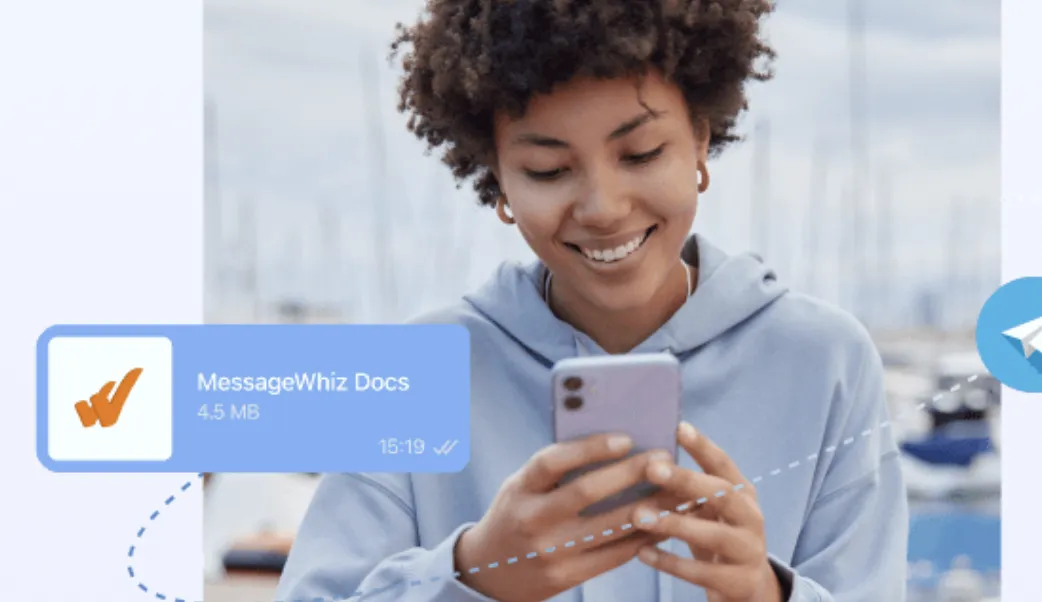
CPaaS is increasingly supporting not just customer communication, but also internal collaboration. Platforms are embedding features like co-browsing, file sharing, screen sharing, and real-time whiteboarding directly into business applications.
This enables teams—especially hybrid and remote ones—to collaborate seamlessly while interacting with customers. By combining communication and collaboration in one environment, CPaaS reduces friction and improves productivity across departments.
8. Global Reach
As businesses expand globally, CPaaS providers are enhancing their ability to support international operations. This includes local number provisioning, multilingual communication, and region-specific compliance frameworks.
“Pop-up” communication hubs and localized infrastructure will allow companies to deliver faster, more cost-effective, and culturally relevant customer experiences in different markets. Localization is becoming essential for scaling customer engagement worldwide.
Rise of Rich Communication Channels (RCS and Messaging Apps)
Traditional SMS is evolving into richer, more interactive messaging formats. In 2025, channels like RCS, WhatsApp, and other messaging apps will dominate customer engagement strategies.
These channels enable businesses to send interactive messages with images, buttons, videos, and even in-message transactions—turning communication into a commerce experience. As adoption grows globally, CPaaS platforms will prioritize seamless integration with these ecosystems.
Intelligent Engagement and Workflow Automation
The next phase of CPaaS evolution is intelligent engagement—where communication is not just reactive but proactive and automated.
By combining AI, analytics, and workflow orchestration, CPaaS platforms will enable businesses to anticipate customer needs and trigger actions automatically (e.g., reminders, alerts, personalized offers). This shifts communication from isolated interactions to fully automated customer journeys that adapt in real time.
How to Build a CPaaS Platform?
Building a CPaaS platform begins with a thorough understanding of the communication requirements that businesses face, followed by the development of a suite of services to meet those requirements. APIs form the foundation of a CPaaS offering and must be robust, secure, and adaptable enough to integrate with a diverse set of systems and applications. To encourage adoption and innovation, developers must focus on creating APIs that are simple to use and well-documented. The platform should be built on a scalable cloud infrastructure that can handle high traffic volumes and scale as the user base grows.
Security is another critical aspect of building a CPaaS platform. As communication often involves exchanging sensitive information, the platform must incorporate end-to-end encryption and comply with international data protection regulations. Alongside security, developing a CPaaS platform must also prioritize reliability and quality of service, ensuring that communication is uninterrupted and clear. This requires a robust backend architecture capable of managing the complex routing of messages and calls, as well as a proactive approach to monitoring and maintenance.
What is the Future of the CPaaS Industry?
The CPaaS market is expected to expand its scope beyond traditional communication channels. Future developments could include using blockchain for secure transactions, advanced biometric authentication methods for improved security, and augmented reality for immersive customer support experiences. As businesses accelerate their digital transformations, CPaaS will continue to evolve, providing more innovative ways for companies to engage with their customers while remaining competitive in an increasingly connected world.
As CPaaS evolves, it will have a significant impact on businesses and customer engagement. In 2025 and beyond, MessageWhiz’s CPaaS platform will serve as the foundation for efficient and productive customer communications, enabling our client companies to build stronger connections with their audiences. These trends are just a glimpse of the exciting developments in the world of CPaaS, and at MessageWhiz, we anticipate even more innovation and transformation in the years to come.
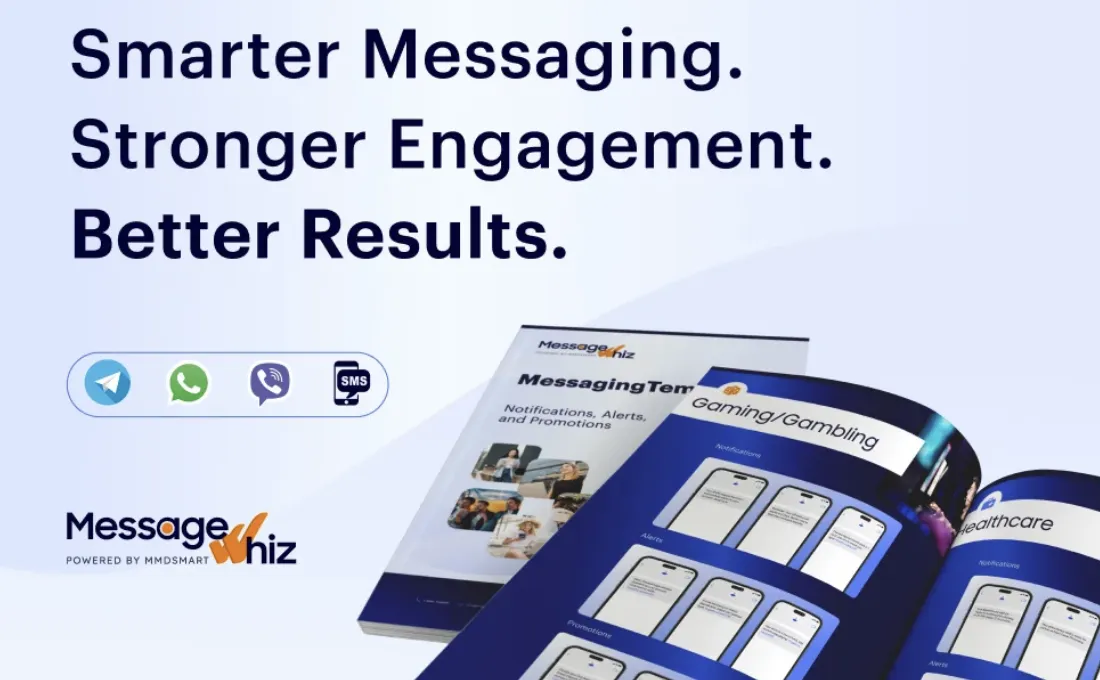
MessageWhiz is a notable player in the CPaaS landscape, particularly distinguished for its robust SMS capabilities. As a company specializing in smart messaging solutions, MessageWhiz offers a suite of services that harness the power of CPaaS to deliver tailored and effective communication strategies. Our business communication platform is designed to facilitate seamless interactions between businesses and their customers, leveraging the immediacy and ubiquity of SMS. With features that support two-way messaging, communication automation, and personalization, MessageWhiz ensures that text messaging campaigns are not only far-reaching but also resonate on a personal level with recipients. Learn more about how CPaaS can transform your customer relationships.
Explore MessageWhiz’s Industry-Specific CPaaS Solutions
MessageWhiz delivers a comprehensive suite of CPaaS solutions that are customized for the communication requirements of various industries. Each sector benefits from customized features that address its unique challenges and opportunities:
- Financial Services: In the financial sector, security and reliability are paramount. Our CPaaS for financial services ensures that every transaction, alert, and notification is not just a message but a secure bridge of trust between you and your clients.
- E-Commerce: For e-commerce platforms, timely and personalized communication can significantly enhance the customer experience. MessageWhiz’s e-commerce CPaaS solutions transform every customer interaction into an opportunity for growth, from personalized promotions to seamless order updates.
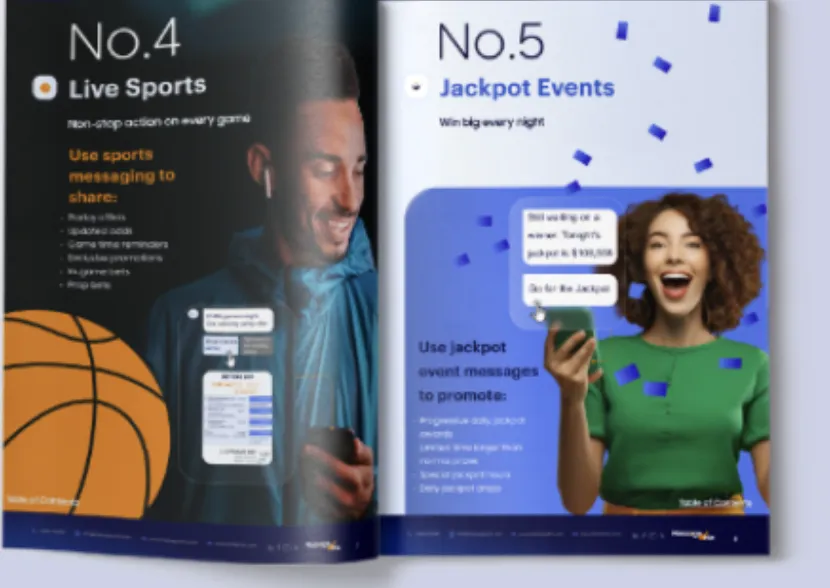
- Gaming: Power up your player engagement with real-time, interactive communication channels. Our gaming industry CPaaS is the secret level-up to keeping your community connected and in the game.
- Travel and Hospitality: Send your customers on a journey with confidence. MessageWhiz’s travel CPaaS offerings provide a world-class itinerary of communication tools, ensuring that every traveler’s experience is as smooth as their bookings.
- Logistics and Transportation: Logistics companies require efficient coordination and timely updates. Our Logistics CPaaS solutions can keep your operations moving at the speed of now, ensuring that every package’s journey is tracked and communicated with precision.
- Healthcare: The healthcare industry needs secure, HIPAA-compliant communication channels. MessageWhiz’s healthcare CPaaS solutions facilitate appointment reminders, patient follow-ups, and health alerts with the necessary privacy and sensitivity. Connect with patients through secure, compliant messaging that respects both their needs and their privacy.
CPaaS FAQs
Is CPaaS cloud-based?
It is a cloud-based solution which enables businesses to integrate communication features such as voice, video, and messaging into their applications without the need for backend infrastructure. Because it is cloud-based, CPaaS provides scalability and flexibility, allowing businesses to grow their communication capabilities while only paying for the services they use.
What is A2P in CPaaS?
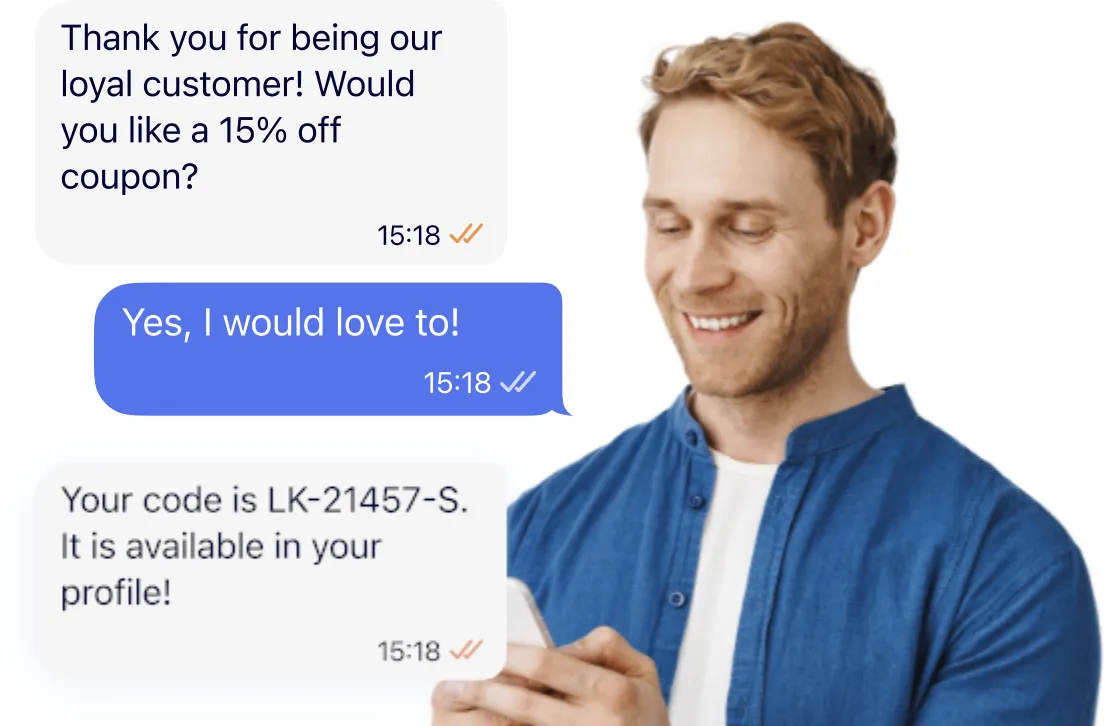
Within CPaaS, A2P or Application-to-Person messaging is a critical component. It is the process of directly sending messages from an application to a user’s mobile device. This messaging format is frequently used to deliver automated customer messages, such as bank alerts, appointment reminders, or promotional offers. A2P is a cornerstone of CPaaS platforms as it facilitates direct and immediate communication with customers, enhancing engagement and operational efficiency.
How do I choose a CPaaS provider?
Selecting a CPaaS provider is a strategic decision that hinges on the specific needs of a business. It’s critical to assess a provider’s communication tools and whether they align with the company’s customer engagement strategy. Furthermore, the provider’s platform should be robust enough to scale as the business grows. Another critical factor is reliability, as any downtime can have a significant impact on customer interactions. Given the sensitive nature of communication data, security features, and regulatory compliance are also critical. Finally, when selecting a CPaaS provider, consider the ease of integration into existing systems, the level of customer support, and the cost structure.
MessageWhiz excels in the context of CPaaS by providing a platform that is both intuitive and powerful, allowing for the easy integration of SMS services into existing business applications. This integration is critical for businesses that want to engage with customers in a direct and efficient manner, whether for marketing, customer support, or transactional alerts. The commitment of MessageWhiz to innovation in the CPaaS space is evident in our continuous enhancement of features, ensuring that their clients can leverage the latest in communication technology to stay ahead in a dynamic market.
What’s the distinction between CPaaS and SaaS?
Both CPaaS and SaaS are cloud-based services, but they serve different functions and provide different solutions. CPaaS focuses on improving and streamlining business communication capabilities, allowing developers to integrate multiple communication channels into their applications. Software as a Service (SaaS), on the other hand, provides online access to software applications, eliminating the need for local installation and maintenance. While CPaaS adds communication functionality to existing services, SaaS provides a complete software solution through the cloud.
Who needs CPaaS?
CPaaS is essential for businesses across various industries that aim to create a seamless communication experience for their customers. Whether it’s a retail company looking to send out promotional messages, a healthcare provider sending appointment reminders, or a financial institution needing secure and reliable customer service channels, CPaaS can be tailored to meet these diverse needs. It is extremely valuable for businesses that have a high volume of customer interactions and want to maintain their competitive advantage by leveraging the latest in communication technology.
What are the risks of CPaaS?
While CPaaS offers numerous benefits, it also comes with certain risks. Security is a primary concern, as communication platforms are often targets for cyberattacks, and any breach can lead to significant data loss and erosion of customer trust. Compliance is another risk area; businesses must ensure that their CPaaS solution adheres to the regulations governing data protection and privacy. Reliability risks are also present; if a CPaaS provider experiences downtime, it can directly affect a company’s ability to communicate with its customers. Integration challenges may arise, potentially leading to additional costs and complexity. Finally, there’s the risk of vendor lock-in, where a business becomes so dependent on its CPaaS provider that switching to another provider becomes difficult and costly.