










Every few months, another report declares SMS dead. The case usually looks convincing at first – attribution has gotten messier, promotional campaigns are losing steam, and richer channels keep claiming more of the marketing budget. The verdict may seem clear-cut. The problem is that SMS is really two channels under one name; promotional marketing blasts and the transactional, conversational messages businesses send every day. Only one of them is in trouble.
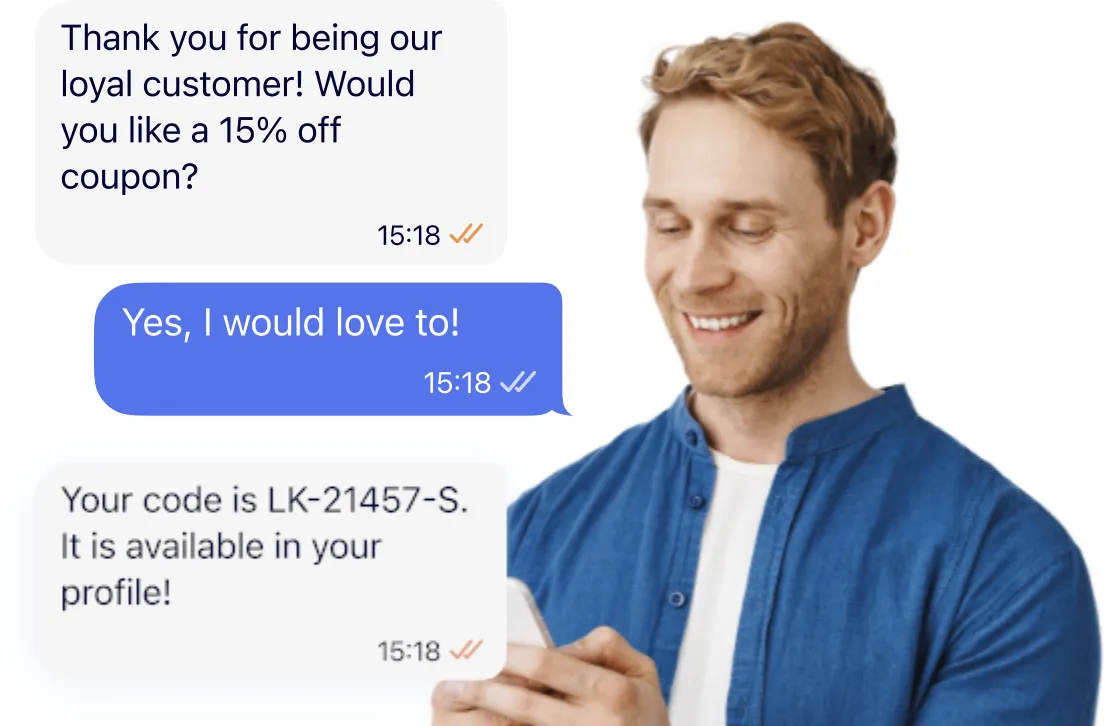
Promotional SMS and transactional SMS are not the same thing, and this distinction is what the “is SMS dead” debate almost always gets wrong. Promotional SMS, which includes campaigns, offers, and outreach intended to drive action is under real pressure from richer alternatives. Transactional SMS, which covers OTPs, payment confirmations, and shipping alerts, remains one of the most reliable delivery channels in the world. Treating the two as one produces a false verdict, and a communication strategy built on that verdict will get the wrong answer.
Why does promotional SMS underperform?
The problem with promotional SMS is not the channel itself. It is its comparison with other options. When your competitor can send an interactive WhatsApp message with a product carousel, a tap-to-buy button, and a read receipt, your plain-text SMS with a link looks like a different era of communication. For customers, it increasingly feels like one.
International SMS rates have also risen sharply in recent years. According to MEF, some markets are seeing increases of 40% to 500%, while domestic rates have climbed by up to 100% in certain regions. That cost pressure, combined with the engagement gap, has made promotional SMS a more difficult case to defend in a marketing budget review. When RCS and WhatsApp can deliver measurably better results at comparable or lower cost for rich campaigns, promotional SMS loses ground on meaningful metrics.
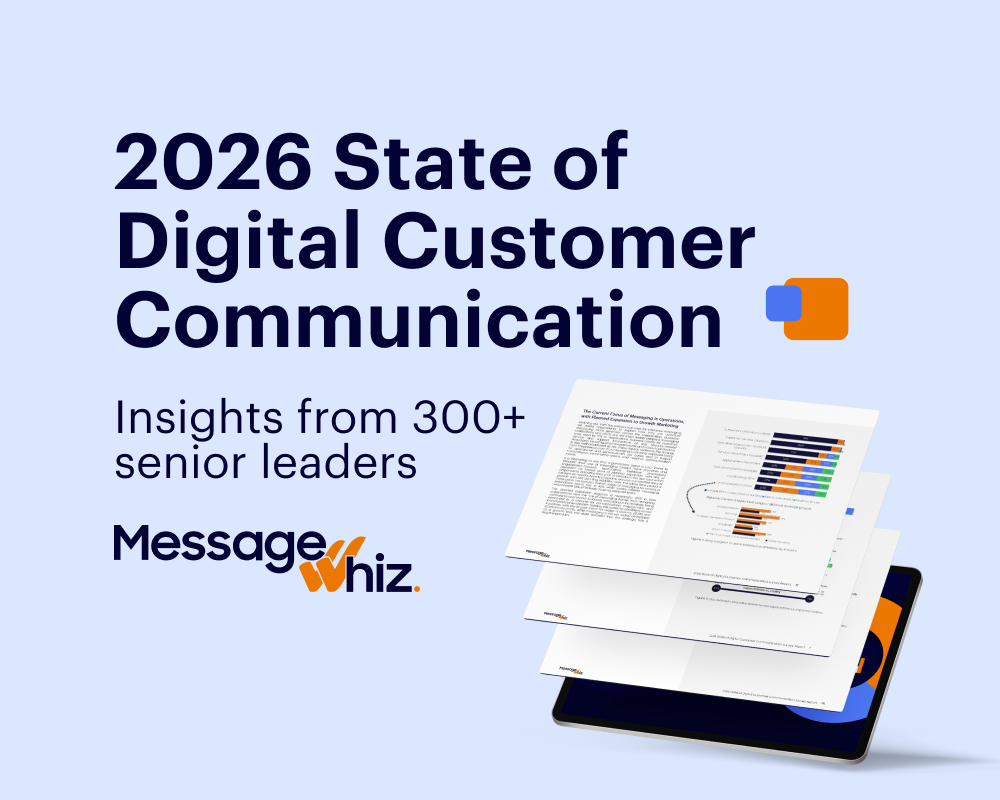
The data reflects this shift. According to the 2026 State of Digital Customer Communication report , RCS is the single most-cited missing or underused channel among SMBs, identified by 44% of respondents, with WhatsApp following at 31%. They are channels businesses are recognizing as replacements for something that used to work, and no longer works as well.
Why does transactional SMS hold up differently?
Transactional SMS serves a fundamentally different purpose, and that purpose is not going away. An OTP, a payment confirmation, or shipping alert doesn’t need images, buttons, or branded colors. They need to arrive as quickly as possible on any device.
SMS delivers on that requirement with a consistency no other channel can match at scale. It works without an internet connection, on feature phones, in markets where smartphone penetration is high but app adoption is unpredictable. No other messaging channel covers that ground universally.
Today, most enterprise SMS traffic is application-to-person (A2P): messages generated by systems such as apps, CRMs, or logistics platforms, and delivered through carrier networks. This makes SMS a utility channel built more for certainty and less for creativity. That is not a weakness. For transactional use cases, certainty and speed is the entire value proposition.
2026 State of Digital Customer Communication Report supports this idea that most traffic is A2P: 99% of SMBs say their primary use of messaging is reactive or operational, covering customer support interactions and operational notifications. SMS remains a core vehicle for that traffic, and likely will for some time.
How do SMS, RCS, and WhatsApp compare for business messaging today?
The three channels occupy different parts of the communication mix. Choosing between them is not a question of which is best. It is a question of what you are trying to do and what your customers prefer!
| Channel | Best for | Reach | Rich media | Two-way |
| SMS | OTPs, alerts, confirmations, reminders | Global, every handset, no app required | No | Limited |
| RCS | Branded campaigns, interactive promotions, conversational commerce | Growing on Android and iOS | Yes | Yes |
| Customer service, support conversations, commerce in regions where WhatsApp dominates | 2B+ users, strong in EU, LATAM, APAC | Yes | Yes |
Table 1: Comparing SMS, RCS and WhatsApp business messaging
The table above illustrates why a single-channel approach creates gaps. SMS reaches everyone, but cannot deliver the experiences customers increasingly expect from a promotional message. RCS and interactive WhatsApp messaging can deliver those experiences, but depend on device compatibility, app installation, or data connectivity. A communication strategy that uses each channel for what it actually does well outperforms one that tries to stretch a single channel across all use cases.
What should you build toward as SMS use cases narrow?
The narrowing of SMS is not a reason to abandon it. It is a reason to be deliberate about where it sits in your stack. Some businesses that are routing promotional campaigns through SMS because “that’s how we’ve always done it” may be paying more for less results. Businesses that have moved promotional traffic to RCS or interactive WhatsApp messaging, while keeping SMS for transactional and critical communications, are getting more from both.
The infrastructure question matters here. Moving channels is not just a campaign decision. It requires your CRM, AI agents, or other management systems to support new message types, new templates, and new routing logic. Many businesses underestimate that dependency. According to 2026 State of Digital Customer Communication report, 89% of SMBs lack full integration between their messaging systems and their CRM. That gap makes it harder to route the right message through the right channel at the right time, which is exactly the capability that the shift away from promotional SMS demands.
Building that infrastructure does not mean replacing SMS. It means giving SMS a defined role and building the channels alongside it that handle what SMS cannot. MMDSmart MessageWhiz supports SMS, RCS, interactive WhatsApp messaging, Viber, Telegram, and email from a single platform, so you can manage channel routing without managing multiple disconnected systems.
Frequently Asked Questions
Is SMS marketing dead in 2026?
Promotional SMS is under significant pressure from richer channels like RCS and WhatsApp, which offer interactive content, read receipts, and branded experiences at competitive costs. Transactional SMS, covering OTPs, alerts, and confirmations, remains durable because of its universal reach and reliability. The channel is not dead. Its effective use cases have narrowed.
What is the difference between promotional SMS and transactional SMS?
Promotional SMS is used for marketing campaigns, offers, and outreach intended to drive action. Transactional SMS is triggered by a customer event or system action, such as a payment confirmation, a one-time password, or a shipping update. Promotional SMS faces growing competition from richer channels. Transactional SMS retains a strong advantage because it does not require app installation, an internet connection, or a specific device.
Why are businesses moving from SMS to RCS and WhatsApp?
RCS and WhatsApp support rich media, interactive buttons, carousels, and two-way conversations that plain-text SMS cannot deliver. For promotional campaigns, those capabilities produce meaningfully higher engagement. RCS also carries verified sender information, which reduces the fraud and spoofing problems that have eroded trust in promotional SMS over recent years.
Can SMS and RCS work together in the same communication strategy?
Yes. The most effective approach is to assign each channel based on what it does best. SMS handles high-certainty, time-sensitive transactional messages that must reach every recipient regardless of device or connectivity. RCS handles branded, interactive campaigns where rich content drives engagement. WhatsApp handles conversational customer service and commerce in regions where it has strong user adoption.
How does the lack of CRM integration affect SMS strategy?
When your messaging system is not connected to your CRM, AI agents, or other management systems, you cannot route messages based on customer behavior or history. That means the right message cannot reliably reach the right person on the right channel at the right time. Addressing that integration gap is a prerequisite for making a multi-channel strategy work, including knowing when to use SMS and when to use something else.