








Today, the hospitality guest experience starts long before they enter the lobby to check in. For CX leaders and sales managers, the main challenge is no longer just filling rooms, but making the most of each guest’s Lifetime Value (LTV).
Hotels spend far more to acquire new guests than to retain loyal ones, but upselling is still often treated as a quick room upgrade pitch instead of a thoughtful part of the guest experience.
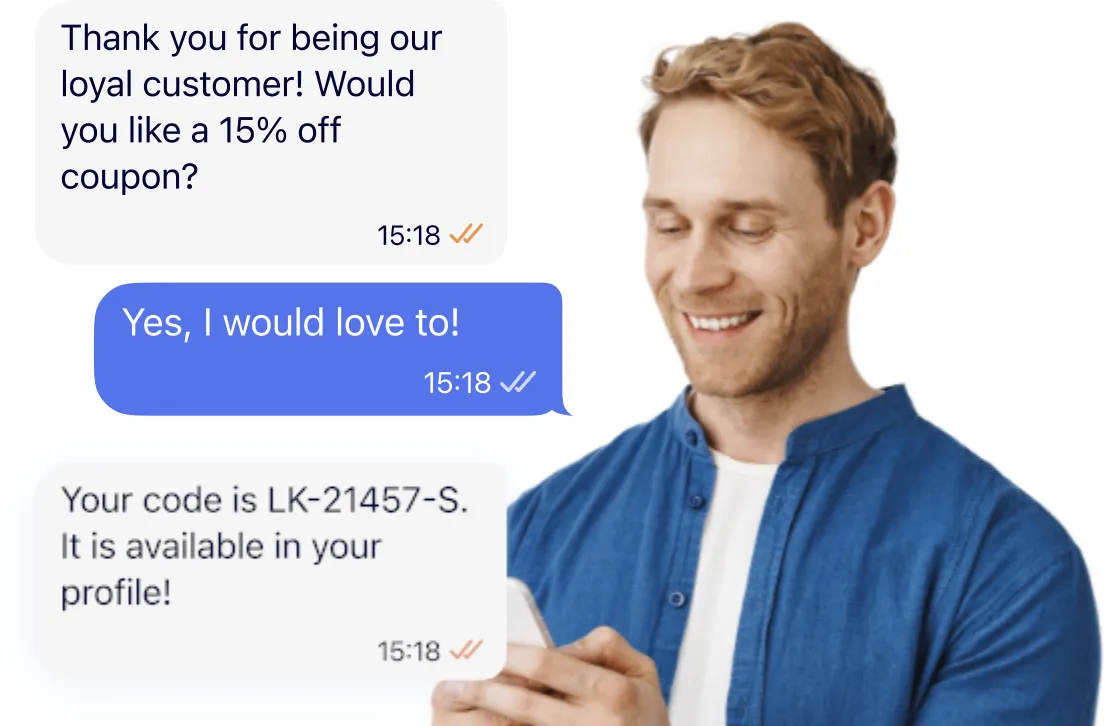
True differentiation in hospitality comes from moving beyond quick sales to meaningful engagement. For example, sending personalized SMS upgrade offers to guests increased revenue by 30% for a hotel partner. This demonstrates that thoughtful, timely engagement can provide clear benefits for both guests and hotel businesses.
Stop Selling. Start Orchestrating
Recent industry research shows that guest expectations have undergone a radical shift. For example, 78% of travelers are more likely to book with brands that extend personalized recommendations. Additionally, 45% of guests say that mid-stay communication is the “most neglected” aspect of their journey. Over 60% of ancillary revenue is lost because offers are often sent at the wrong time or via the wrong channel.
To capture today’s traveler’s attention, communication strategies must strike a perfect blend of timing, tone, and utility.
The Hotels Communication Playbook: A Three-Phase Strategy
To drive upsell without “selling,” you need a playbook that respects the guest’s journey.
1. The Expectation Phase (Pre-Arrival)
- The Goal: Build excitement and remove friction.
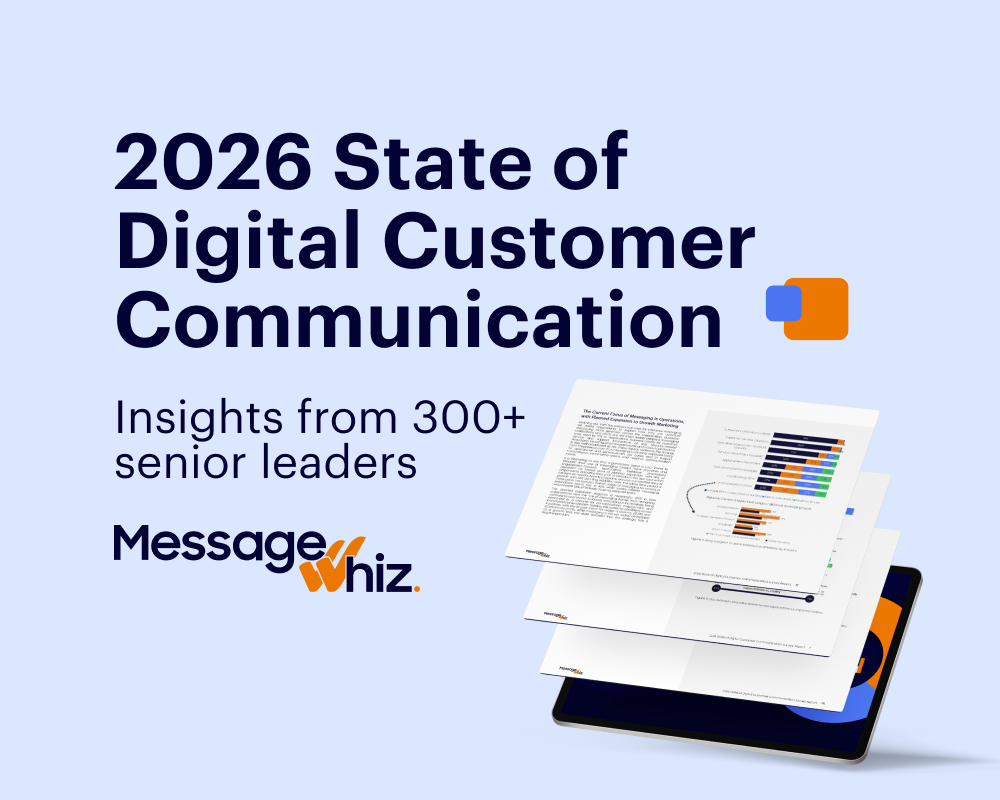
- The Insight: Currently, 60% of SMEs rely on SMS and 87% on email, but these often lack the richness needed for pre-arrival storytelling (MMDSmart 2026 State of digital customer communication survey report)
- The Play: Move beyond dry confirmations. Send a mobile-first “Prepare Your Stay” guide via rich channels like WhatsApp or RCS which 44% of businesses now identify as their top missing engagement opportunity. Offer a “Tailor Your Experience” menu including early check-in, airport pickup, or pre-booked spa slots.
2. The Experience Phase (In-Stay)
- The Goal: Anticipate and resolve guest needs in real time, creating moments of unexpected delight.
- The Insight: 63% of businesses primarily use messaging for reactive or operational needs. This is the “In-Stay” black hole where proactive engagement dies.
- The Play: Use a “Pulse Check” via messaging 2 hours after check-in. This moves communication from a “utility” (used by 99% of companies) to a “growth” tool (currently used by only 53%). Once a guest confirms they are happy, trigger a contextual offer like a rooftop cocktail voucher.
3. The Loyalty Phase (Post-Departure)
- The Goal: Turn a stay into a relationship.
- The Insight: Only 11% of businesses currently use messaging for retention and loyalty programs, making this the most underutilized growth lever in the industry.
- The Play: Move beyond the generic “How was your stay?” survey. Send a “We Remembered” email featuring a preference they showed (e.g., “We noticed you enjoyed the rooftop bar; here’s a 10% return-guest credit for your next visit”).
Stop Selling. Start Orchestrating
Upselling isn’t about extracting more money; it’s about reducing the distance between a guest’s need and your solution. When you use data to communicate with consideration, the revenue comes naturally.
The hotels that win in 2026 won’t be the ones with the flashiest lobbies, but the ones with the most intuitive communication loops.
Are you selling a room, or are you orchestrating an experience?