














How Is Mobile SMS Used in Schools?
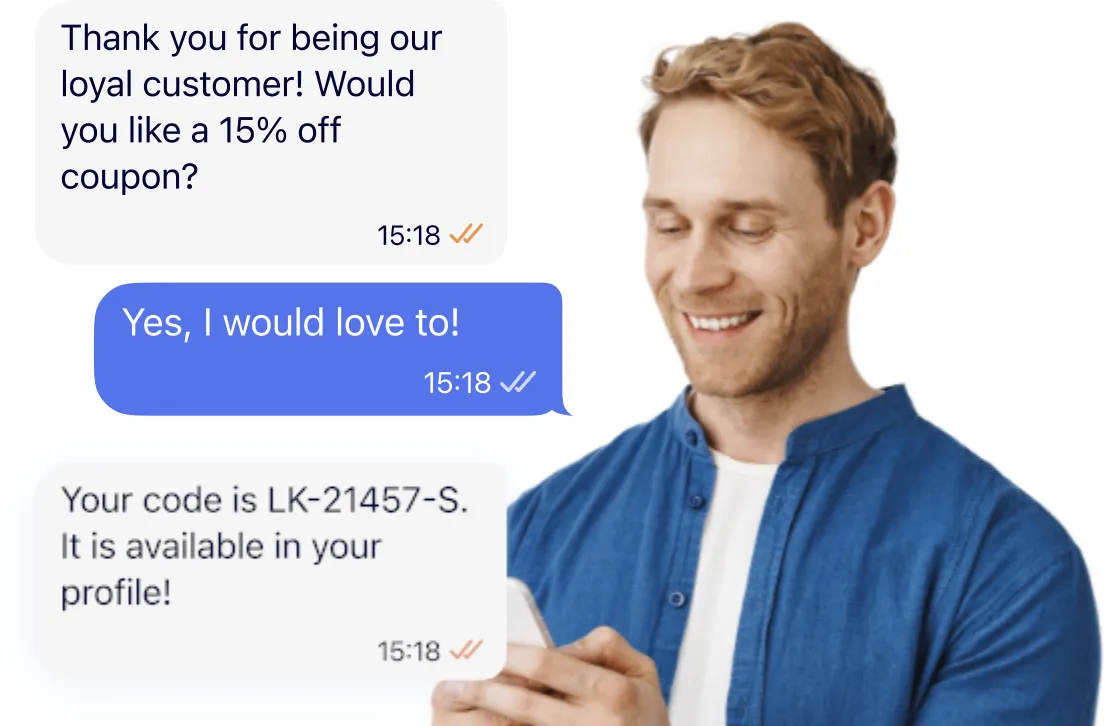
Mobile SMS is a standardized communication system that allows users to exchange brief text messages, typically up to 160 characters, over cellular networks. SMS services are used by schools as a fast and direct communication tool to connect with parents, students, and staff. These messages are delivered instantly to mobile devices, ensuring that important information reaches recipients quickly and reliably.
Unlike traditional communication methods such as emails or printed notices, SMS stands out because of its immediacy and high visibility. Text messages are typically read within minutes and have extremely high open rates, making them one of the most effective ways to share urgent updates, reminders, and announcements.
Editor’s note: Updated the article in 2026 with current best practices for SMS communication in schools.
Why Does Mobile SMS Matter in Education?
It is a crucial now, more than ever for modern elementary, middle school, and high school administrators to add SMS text messages to their school communication strategy. SMS messaging allows schools to communicate effectively, reaching all parents, students, other parents within a grade, or specific academic individuals.
See our more on our innovative SMS solutions for Schools.
High schools and some middle schools might also consider using text messages as a way to reach out to students as well. 95% of all US teenagers now have access to a smartphone. 71% of American 12-year-olds have cell phones. With everyone using cell phones, schools should take advantage of the different channels to engage their students on their phones. Yet recent school surveys found that only 23% of schools send highly targeted communications and 37% of schools have no ability to target groups of parents.
4 Ways Mobile SMS Services Can Improve School Communication
1. Parent Notifications Top the List
We’ve seen an increase in text alert systems for schools over the past few years. More and more schools have found it to be a far more effective way to reach parents with school announcements.
The top five types of notifications that schools send out are:
- Winter weather updates and school cancellations
- Reminders of school events, such as athletic events
- Scheduling changes and holiday reminders
- Parent-Teacher conferences reminders and appointments
- Social events, including prom
Mass text messaging for schools is a very cost-effective and efficient tool for reaching parents. Some schools are experimenting with different types of messages, including WhatsApp groups for class parents to keep them informed of activities taking place in the classroom.
2. Student Club Organization
Text messages are increasingly being used by different school clubs to engage members and boost participation. Sending out a group message to all members ensures that everyone receives important notifications.
School clubs use messaging to promote their events. When done using groups on WhatsApp, they often include images and videos to spark interest in the event. Student clubs have begun using survey tools built into the WhatsApp platform to get opinions, and some have included Yes/No buttons asking members if they are planning on attending an event. They also send out event day updates to boost attendance.
Some Student Clubs offer advice and tips to members or boost their agenda with links to content related to their club.
3. Teacher-Parent Messaging
Some elementary and middle school teachers have begun communicating with class parents over text messages as a way to enhance the educational experience.
Teachers are using SMS and other chat channels to inform parents of daily homework assignments, school reports that are due, and upcoming tests. Teachers can also use text tools to schedule conferences with parents.
Feek free to us our SMS templates for schools and teachers.
4. In-Classroom Texting
Some high school teachers are using text messages directly in their lessons to help enhance the lesson and encourage more student participation.
Learning about the Arts
Some innovative teachers are sharing works of art with their students and having group discussions about the artwork through chat tools. These texted conversations can be far more engaging than a classroom discussion, and students who are too shy to speak might be more comfortable participating over chat.
Role Playing Dialog
Fewer students today are reading Shakespearean plays. To combat that, some teachers are having students read a scene and then reenact the scene with a classmate over a text message. The exercise helps students get a better understanding of the plays they are reading and allows them to put their interpretation to the classics.
Creative Writing
With all students connected to a group, teachers can start a story with a writing prompt and have each student contribute a line to the story. Students learn collaboration and storytelling skills while using a channel they are comfortable with.
Quizzes and Testing
Teachers can use broadcast texting features to send students quizzes and test questions over text messages. The tests can have space for writing an answer or offering multiple choice buttons for the student to respond with. Teachers can also introduce flash review sessions after every lesson, where students get questions over SMS and have to send back answers to demonstrate that they understood the material.
Request a Free School Messaging Demo here.

Best Practices for School Text Messages
Keep Messages Clear and Concise
Clarity is the foundation of effective SMS communication. Because text messages are typically short and read quickly, schools should focus on delivering one key message at a time. Avoid long sentences, technical jargon, or unnecessary background information. Instead, use simple language and get straight to the point—who, what, when, and where.
This is especially important because SMS is often used for time-sensitive updates like schedule changes or reminders. If a message is too long or confusing, recipients may ignore it or misunderstand it. Keeping messages concise ensures they are read, understood, and acted upon quickly, which is essential for maintaining smooth school operations.
Segment Your Audience
Not all information applies to everyone, so sending the same message to all contacts can reduce effectiveness. Schools should organize their contact lists into groups such as parents, students, teachers, or even specific classes and grade levels.
By segmenting audiences, schools can send highly relevant messages—for example, exam reminders only to specific students or meeting updates only to parents. This targeted approach reduces information overload and increases engagement because recipients are more likely to pay attention to messages that directly concern them. It also helps build trust, as stakeholders feel the communication is thoughtful and relevant rather than generic.
Personalize When Possible
Personalization adds a human touch to school communication. Including a student’s name, referencing a specific class, or tailoring the message to the recipient’s role makes the communication feel more direct and meaningful.
For example, instead of sending a general reminder, a message like “Hi Sarah, don’t forget your math test tomorrow at 10 AM” feels more engaging and harder to ignore. Personalized messages can improve response rates, strengthen relationships between schools and families, and make communication more impactful overall. Even small personalization elements can significantly enhance how messages are received.
Encourage Two-Way Communication
Effective communication is not just about sending information—it’s about creating a dialogue. Schools should enable two-way SMS whenever possible, allowing parents, students, and staff to respond, ask questions, or confirm attendance.
This interactive approach helps schools gather feedback quickly and address concerns in real time. For example, parents can confirm meeting attendance, report absences, or ask for clarification directly through SMS. Two-way communication also strengthens relationships by making stakeholders feel heard and involved, rather than just passive recipients of information.
Send Messages at the Right Time and Frequency
Timing plays a crucial role in whether messages are read and appreciated. Schools should avoid sending texts too early in the morning, late at night, or too frequently throughout the day. Over-messaging can lead to frustration and cause recipients to ignore or opt out of future messages.
Instead, schools should establish a consistent communication schedule—for example, weekly updates or timely reminders sent a day before an event. Sending messages at appropriate times increases the likelihood that recipients will read and act on them. Striking the right balance ensures communication remains helpful rather than overwhelming.
Ensure Privacy and Compliance
Schools handle sensitive information, so protecting privacy is essential. Before sending SMS messages, schools must obtain proper consent from parents, students, and staff. They should also comply with data protection regulations and avoid including confidential information such as grades or personal identifiers in text messages.
Additionally, providing an opt-out option helps maintain transparency and trust. When recipients know their data is handled responsibly, they are more likely to engage with school communications. Strong privacy practices not only protect individuals but also safeguard the school’s reputation.
Factors to Consider Before Implementing an SMS Solution
Before rolling out a school-wide SMS system, it’s important to evaluate several factors. First, ensure compliance with local data protection laws regarding student and parent contact information. You’ll also need to define your internal messaging policies: Who sends messages? What messages require approval? Which departments have access to the tool?
Integration with existing systems is another key factor. For example, does your school already use a CRM or a school information management system (SIMS)? An ideal SMS solution should integrate seamlessly with these platforms to reduce manual work and improve data accuracy.
Essential Features of an Effective School SMS Service:
- Group messaging and segmentation for grades, clubs, parents vs students, etc.
- Two-way communication to support teacher‑parent dialogue or replies on absence confirmations.
- Message scheduling in advance for recurring updates like weekly reminders.
- Language translation capabilities to tailor messages to diverse communities.
- Delivery tracking and reporting to track which messages are delivered and which fail.
- Integration with student information systems (SIS) to immediately sends alerts to all contacts, bypassing scheduled campaigns.
These features ensure scalability and efficiency while keeping communication organized and relevant.

SMS for student engagement in high education
What’s Next for SMS in Education?
SMS platforms used by schools are now equipped with tools that adapt to user behavior, learning from engagement patterns to time messages when they are most likely to be read and acted upon. For instance, a system may recognize that some parents respond best to alerts in the early morning before school, while others are more active in the evening. These subtle shifts in timing significantly increase open and response rates.
AI is also being used to fine-tune message phrasing. By analyzing previous interactions, the system can recommend tone, word choice, and even formatting that resonates best with specific audiences—whether it’s brief, friendly nudges or more formal communications. This capability reduces misunderstandings and helps schools connect with diverse communities more effectively. At the same time, intelligent chatbots are stepping in to handle repetitive inquiries such as “What time does school start?” or “When are report cards released?”, reducing the load on administrative staff and ensuring that parents can get fast answers anytime, including after hours.
Another major development is the inclusion of accessibility tools. SMS platforms are incorporating voice-to-text and text-to-speech functionality, enabling parents with visual impairments or limited literacy to interact with messages more easily. AI-based translation is also becoming standard, allowing messages to be automatically delivered in the recipient’s preferred language—a critical feature for multilingual school communities. These enhancements foster better communication equity across diverse populations.
Some platforms are taking it further by integrating predictive analytics. If a student begins missing multiple days of school or shows signs of disengagement, the system might automatically alert a counselor or prompt parents to check in. Similarly, integration with learning management systems allows SMS messages to reflect academic data in real time, such as notifying parents when an assignment is missed or when grades drop. This moves SMS from a reactive tool to a proactive one that can help identify and respond to issues early.
Despite all the innovation, human oversight remains vital. While AI can guide the delivery and phrasing of messages, school administrators and educators still play a crucial role in setting standards, reviewing sensitive content, and ensuring the tone aligns with school culture. The goal is not to automate human connection, but to enhance it—making communication more timely, inclusive, and supportive for every family involved.
Beyond School SMS: Exploring RCS, WhatsApp, Viber, and More
While SMS is highly effective, many schools are expanding their communication strategies to include other messaging channels. Each platform offers distinct advantages that can complement or even enhance a school’s digital outreach:
RCS (Rich Communication Services): As a next-generation upgrade to SMS, RCS messaging solutions support read receipts, carousels, images, and buttons. For schools, this means more interactive parent communication without requiring third-party apps—provided the carrier and device support it.
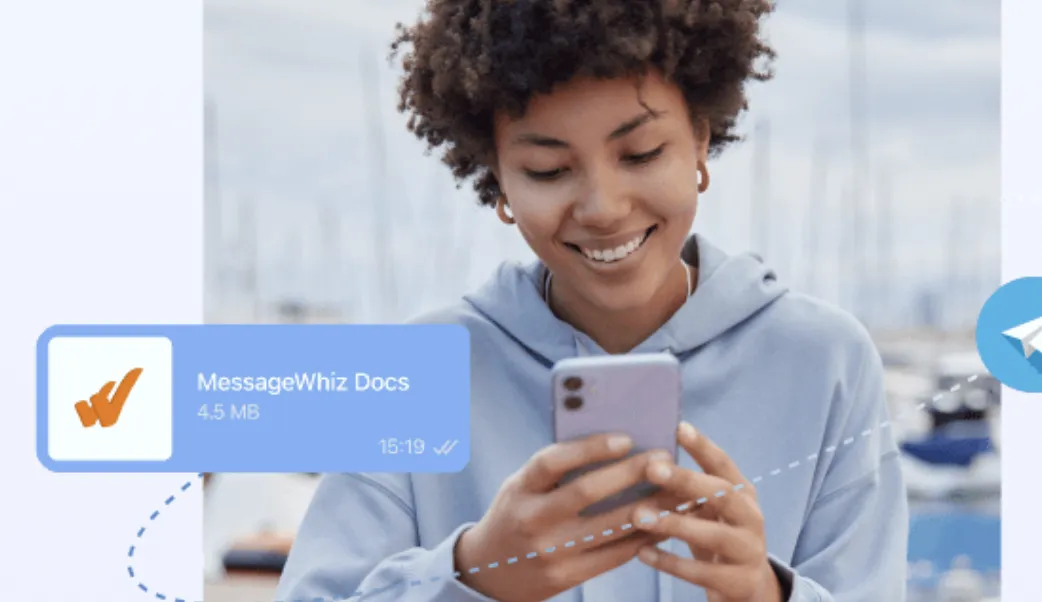
WhatsApp: With end-to-end encryption and widespread adoption, WhatsApp messaging is particularly effective for creating parent groups, class chats, and quick updates. It’s ideal for distributing multimedia content such as permission slips, videos, or school maps.
Viber: Popular in many regions, Viber messaging allows for public channels, which schools can use to broadcast information while maintaining privacy for members.
Push Notifications via School Apps: Though dependent on downloads, apps allow personalized content, secure file sharing, and internal portals. This is particularly useful for report cards, attendance logs, and digital homework.
Why Multichannel Matters for Teachers
No single channel fits all parents. For example:
An English-speaking parent with a smartphone and strong Wi-Fi may prefer WhatsApp or an app.
A grandparent caregiver with a basic flip phone will need SMS.
A working parent who commutes with limited phone access may rely on asynchronous push notifications.
Choosing the right channel depends on the audience. In lower-income or rural communities, SMS may still reign supreme. But in tech-savvy or urban populations, a multichannel approach using both SMS and platforms like WhatsApp or RCS ensures the widest reach and highest engagement.
Talk to one of our messaging specialists to learn more about education-based text messaging.
FAQs
What is an SMS service for schools?
An SMS service for schools is a communication platform that enables school administrators, teachers, or club leaders to send text messages directly to parents, students, or staff. It can be used for updates, reminders, emergency alerts, or even educational interactions.
Can schools send SMS in multiple languages to reach diverse families?
Yes. Many SMS platforms now support multilingual messaging, either through built-in translation tools or integrations with third-party APIs, helping schools reach non-native English speakers effectively.
How can SMS improve parent-school communication?
SMS for schools simplifies communication by providing direct, fast, and mobile-friendly messaging. Parents receive real-time updates about events, emergencies, homework, and meetings—boosting transparency and involvement.
What’s the difference between bulk SMS and personalized SMS in school settings?
Bulk SMS sends one message to many recipients simultaneously—ideal for general announcements—while personalized SMS includes customized details like student names or grade-specific updates for better engagement.
Do SMS services work for school districts or only individual schools?
SMS services can be scaled to serve entire school districts, allowing centralized messaging across multiple campuses while maintaining segmentation by school, grade, or role (e.g., teachers vs. parents).
What are the key features to look for in a school SMS platform?
Look for features like group messaging, message scheduling, delivery tracking, integration with school databases, translation tools, and chatbot capabilities. These improve efficiency and user experience.
Can SMS help schools during emergency situations or lockdowns?
Yes. SMS is one of the fastest and most reliable ways to reach large groups during emergencies like lockdowns, weather closures, or health incidents, ensuring critical information is delivered instantly.
How can SMS be used for school fundraising or PTA coordination?
PTAs and school fundraising committees use SMS to notify parents of donation drives, event updates, volunteer needs, and progress milestones. Short links to donation pages can also be included for convenience.
What’s the role of SMS in hybrid or remote learning environments?
SMS remains vital for communicating schedules, login links, reminders, and tech support tips in remote learning contexts, especially when email access or engagement is low among families.
Can SMS be used for attendance tracking in schools?
Some SMS systems integrate with attendance software to notify parents when a child is marked absent or tardy. This improves parent awareness and encourages attendance accountability.
How do SMS platforms compare to mobile apps for school communication?
Mobile apps offer richer functionality but require downloads and internet access. SMS services are simpler, more universal, and don’t require users to install anything—making them ideal for quick, urgent messaging.