











What is Bulk Messaging?
Bulk messaging is the practice of sending SMS, text, or multimedia messages to a large group of recipients simultaneously, often used for marketing, alerts, and promotions. It allows for efficient, high-volume communication through specialized software or API gateways, ensuring fast delivery and enabling features like personalization and two-way interaction, often at a low cost per message.
Bulk messaging can be executed through various channels such as SMS, email, and instant messaging apps like WhatsApp or Viber. Unlike one-to-one communication, bulk messaging leverages automation and distribution tools to deliver content at scale, making it a critical component of modern communication strategies.
The core advantage of bulk messaging is its ability to disseminate information quickly and consistently to a targeted group. This is particularly useful for marketing campaigns, alerts, transactional updates, and reminders, where timely and uniform communication is essential. Bulk messaging platforms provide features for audience segmentation, personalization, scheduling, and analytics, allowing senders to optimize outreach and measure effectiveness.
This is part of a series of articles about business messaging
Key Benefits of Bulk Messaging
Bulk messaging is widely adopted because it reduces the cost and effort of communicating at scale while improving consistency. It allows teams to reach large audiences without manual intervention while maintaining relevance through targeting and personalization.
- Scalability: Send messages to thousands or millions of recipients in a single operation without increasing manual workload.
- Time efficiency: Automates message distribution, reducing the time required compared to individual outreach.
- Cost effectiveness: Lowers per-message cost, especially when using channels like SMS gateways or email services.
- Consistent communication: Ensures all recipients receive the same information, reducing the risk of errors or miscommunication.
- Audience segmentation: Target specific user groups based on attributes such as location, behavior, or preferences.
- Personalization at scale: Customize messages using dynamic fields (e.g., names, account details) while still sending in bulk.
- Scheduling and automation: Plan campaigns in advance and trigger messages based on events or predefined conditions.
- Performance tracking: Measure delivery rates, open rates, and engagement.
How Bulk Messaging Works
Bulk messaging systems automate the process of preparing, processing, and delivering messages to large audiences. They combine contact management, templating, and delivery infrastructure into a single workflow, allowing messages to be sent reliably across channels like SMS, email, and messaging apps.
Here the general process used by bulk messaging platforms:
- Contact ingestion and management: The process starts with importing contact data into the platform. This can be done through file uploads, APIs, or integrations with CRM systems. The platform validates and stores this data, removing duplicates and formatting entries to match channel requirements (e.g., phone number formats for SMS).
- Audience segmentation: Contacts are grouped based on rules such as demographics, behavior, or past interactions. Segmentation can be static (predefined lists) or dynamic (auto-updating based on data changes). This step ensures messages are targeted rather than broadcast blindly.
- Template creation and personalization: Messages are created using templates that define structure and content. Dynamic fields (e.g., name, order details) are inserted at send time. Some systems support conditional logic, allowing different content blocks to appear based on recipient attributes.
- Campaign configuration: Users define campaign parameters such as channel (SMS, email, push), sender identity, and call-to-action links. They also configure rules like throttling limits, fallback channels, or geographic restrictions. Campaigns can be scheduled for a specific time or triggered by events like user actions, system updates, or API calls.
- Message processing and queuing: Before sending, the platform processes each message by merging template data with recipient data. Messages are then placed into queues, where they are batched and prioritized based on sending rules and system capacity.
- Routing and delivery: Messages are routed through appropriate delivery channels. For SMS, this involves telecom carriers or aggregators; for email, SMTP servers; for messaging apps, official APIs. The system selects optimal routes based on cost, speed, and reliability.
- Delivery tracking and feedback loop: The platform collects delivery reports, bounce notifications, and engagement data such as opens or clicks. This information is stored and used for analytics, reporting, and future campaign optimization.
How Do Bulk Messaging Platforms Handle Deliverability?
Deliverability is a critical layer across this entire process. Platforms maintain sender reputation by controlling send rates, filtering invalid contacts, and monitoring bounce or complaint rates. Email systems use authentication protocols like SPF, DKIM, and DMARC to verify legitimacy, while SMS relies on compliant sender IDs and carrier-approved routes.
Many platforms also use retry logic, alternate routing, and engagement-based throttling to improve success rates. Without these mechanisms, messages risk being blocked, filtered, or delayed before reaching recipients.
Types of Bulk Messaging
Bulk SMS Messaging
Bulk SMS messaging involves sending text messages to a large number of recipients simultaneously, usually through an SMS gateway or bulk SMS provider. This method is widely used for its high open rates and immediacy, making it suitable for time-sensitive alerts, promotions, and reminders. SMS messages are typically concise and can be delivered to any mobile device, regardless of internet connectivity, which broadens their reach across diverse audiences.
Organizations often use bulk SMS for use cases like customer engagement and event notifications. The process is automated, with platforms enabling message scheduling, personalization, and delivery tracking. While SMS has character limitations and may incur costs per message, its reliability and directness make it a core channel for bulk communication, especially in regions where internet penetration is low or mobile usage is prevalent.
Learn more in our detailed guide to SMS marketing automation
Bulk Email Marketing
Bulk email marketing refers to sending promotional, informational, or transactional emails to a large group of recipients at once. It is a core part of digital marketing strategies, allowing businesses to reach a wide audience with newsletters, offers, announcements, or surveys. Bulk email platforms provide tools for designing templates, segmenting audiences, and personalizing content to increase engagement and conversion rates.
Analytics are a major advantage in bulk email marketing, with platforms offering reports on delivery, open rates, click-throughs, and unsubscribes. This data helps organizations refine campaigns for better targeting. While email marketing faces challenges such as spam filters and competition in crowded inboxes, its cost effectiveness and versatility make it a preferred channel for ongoing customer communication and brand building.
Messaging App Campaigns (WhatsApp etc.)
Bulk messaging campaigns can use messaging apps like WhatsApp or Viber to send bulk messages to users who have opted in. These platforms often generate high engagement due to their ubiquity and real-time nature, enabling businesses to deliver updates, promotions, and customer support directly to a user’s device. Instant messaging supports conversational marketing, where two-way interactions enhance customer experience.
Campaigns through WhatsApp or similar apps often use multimedia content, quick replies, and automation through bots. Compliance with platform policies and user consent is required, as unsolicited messages can lead to account bans or legal issues. Despite these constraints, instant messaging campaigns are gaining traction for their immediacy and interactive communication compared to traditional channels.
Common Use Cases of Bulk Messaging Software
Marketing and Promotions
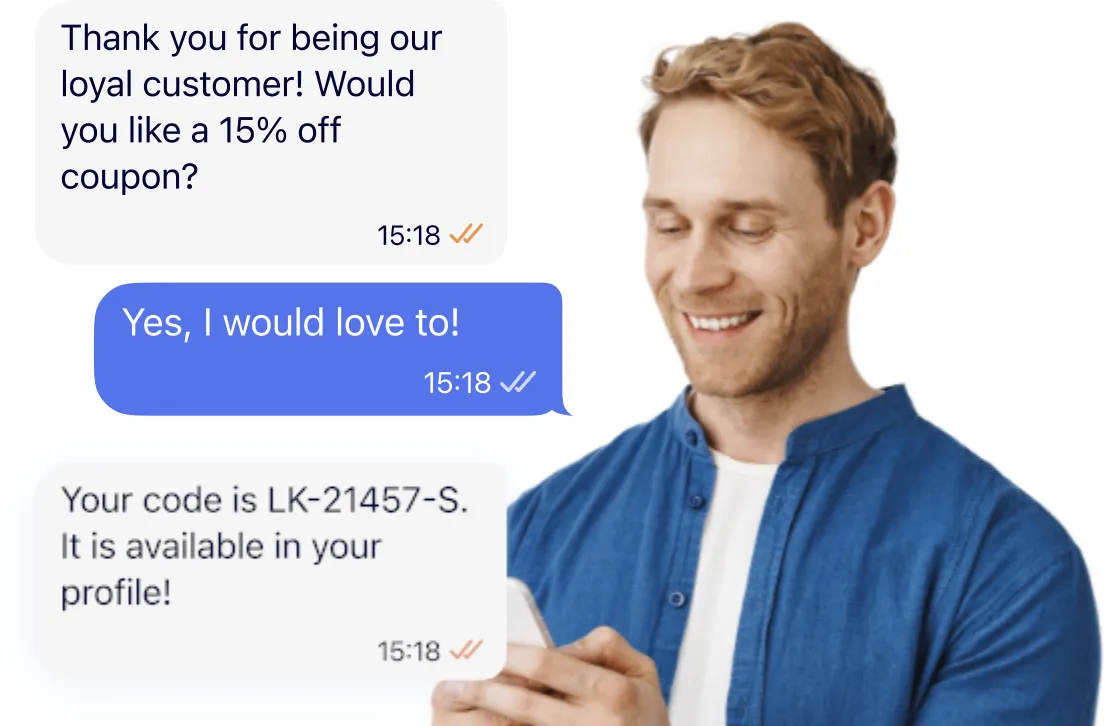
Bulk messaging is a core part of modern marketing strategies, enabling organizations to promote products, services, or events to a large audience quickly. By using SMS, email, or instant messaging, marketers can deliver targeted campaigns featuring special offers, discounts, or new product launches. The immediacy of bulk messaging helps promotional content reach recipients at the right time.
Automation features within bulk messaging platforms allow audience segmentation, A/B testing, and personalization. Marketers can analyze performance metrics such as open rates and click-throughs to optimize outreach. The scalability and speed of bulk messaging make it a common choice for brands seeking broad reach without the costs associated with traditional advertising channels.
Alerts and Notifications
Bulk messaging is used to send alerts and notifications that require immediate attention, such as system outages, emergency updates, or security warnings. These messages are typically sent via SMS, push notifications, or instant messaging to ensure rapid delivery, even if recipients are not checking email or apps. The ability to broadcast critical information quickly helps keep stakeholders informed during urgent situations.
In addition to emergencies, alerts can be used for updates like payment reminders, maintenance schedules, or policy changes. Bulk messaging platforms offer features like scheduling, audience targeting, and delivery confirmation, allowing organizations to tailor notifications based on urgency and relevance. This approach ensures recipients receive timely information without unnecessary messages.
Internal Communication
Bulk messaging supports internal communication within organizations, allowing management to disseminate information to employees, teams, or departments. This is important for urgent announcements, policy updates, or company-wide alerts where timely and consistent messaging is required. Channels like SMS, email, or push notifications help ensure staff members receive information, regardless of location or device.
Beyond urgent communications, bulk messaging can support regular updates, event invitations, or training reminders, fostering engagement and alignment within the organization. Platforms often support group segmentation and scheduling, enabling targeted communication based on role, location, or function. By organizing internal messaging, organizations can improve response times and maintain a connected workforce.
Challenges of Bulk Messaging and How to Overcome Them
Risk of Spam and User Fatigue
Bulk messaging becomes ineffective when messages are sent too often, lack relevance, or reach users without clear consent. Recipients respond by ignoring messages, unsubscribing, or blocking the sender, which lowers engagement rates over time. Frequent interruptions, especially through channels like push notifications and instant messaging, can also create negative sentiment and reduce trust in the sender.
How to overcome:
- Limit message frequency based on user behavior and channel sensitivity
- Use segmentation to send relevant, targeted content
- Implement preference centers so users control what they receive
- Provide clear and accessible opt-out options
- Monitor engagement metrics to detect early signs of fatigue
Legal and Compliance Issues
Bulk messaging operates under strict regulations that vary across regions and communication channels. Laws such as GDPR, CAN-SPAM, and TCPA require explicit user consent, transparent data handling, and simple opt-out mechanisms. Failure to comply can lead to financial penalties, legal exposure, and loss of access to messaging platforms.
How to overcome:
- Collect and store explicit user consent before sending messages
- Include clear unsubscribe or opt-out mechanisms in every message
- Maintain records of opt-ins for audit and verification purposes
- Align messaging practices with platform-specific policies
- Regularly review legal requirements across all operating regions
Deliverability Issues
Sending messages in bulk does not guarantee they will reach recipients. Spam filters, carrier restrictions, outdated contact data, and poor sender reputation can all reduce delivery rates. Emails may be redirected to spam folders, while SMS messages can be blocked if flagged as suspicious, limiting campaign reach.
How to overcome:
- Keep contact lists clean by removing invalid or inactive users
- Use authentication protocols such as SPF, DKIM, and DMARC for email
- Maintain consistent sending patterns to build sender reputation
- Monitor delivery reports and engagement metrics continuously
- Adjust messaging practices based on performance and feedback signals
Best Practices for Bulk Messaging
1. Segment Your Audience for Relevance
Segmenting audiences ensures messages are relevant to recipients, which improves engagement and reduces opt-outs. Instead of sending the same message to all users, divide contacts based on attributes such as demographics, past behavior, purchase history, or engagement level. This allows campaigns to target specific needs or interests.
Most bulk messaging platforms support dynamic segmentation that updates automatically as user data changes. For example, users who recently made a purchase can be excluded from promotional campaigns and instead receive follow-up messages. You can also create segments like inactive users, high-value customers, or new sign-ups, each requiring different messaging strategies.
Over time, segmentation should evolve based on performance data. Analyzing which segments respond best helps refine targeting rules. This approach improves relevance and reduces unnecessary messaging.
2. Personalize Messages
Personalization improves message relevance without sacrificing scalability. By using dynamic fields such as name, location, or recent activity, messages feel tailored to each recipient. This increases open rates and user engagement compared to generic broadcasts.
Advanced platforms allow conditional logic within templates, enabling different content blocks to appear based on user attributes. For example, a message can include different offers depending on user segments or display location-specific information.
Effective personalization depends on data quality and timing. Outdated or incorrect data can reduce trust, while well-timed personalized messages can improve conversions. Maintaining accurate user profiles and syncing data across systems supports consistent results.
3. Keep Messages Short, Clear, and Actionable
Bulk messages should communicate value quickly. Most channels, especially SMS and push notifications, have limited space and compete for user attention. Messages should focus on a single purpose, use simple language, and avoid unnecessary details.
Recipients should understand the message quickly, including why it matters to them. Avoid jargon and place the most important information at the beginning of the message. This is especially important for mobile users who may only glance at notifications.
Include a clear call to action (CTA), such as a link, button, or instruction. Whether the goal is to click, reply, or complete a task, the next step should be clear.
4. Optimize Timing and Frequency
Sending messages at the right time affects engagement. Messages should align with user behavior patterns, time zones, and context. For example, promotional messages may perform better during business hours, while reminders are more effective closer to the event time.
Timing optimization often involves testing. A/B testing different send times can show when users are most responsive. Some platforms also provide predictive send-time optimization based on historical engagement.
Frequency control is equally important. Sending too many messages can lead to fatigue and opt-outs, while too few may reduce visibility. Setting frequency caps and respecting user preferences helps maintain balance.
5. Use Automation and Smart Workflows
Automation reduces manual effort and ensures consistent communication. Workflows can be triggered by user actions, such as sign-ups, purchases, or inactivity, allowing messages to be sent at relevant moments.
Workflows often include branching logic, delays, and multi-step sequences. For example, a user who does not respond to an initial message can receive a follow-up after a set interval. Onboarding sequences can guide new users through a product or service in structured steps.
Automation also enables cross-channel coordination. A user might receive an email first, followed by an SMS if they do not engage. This approach increases the chances of reaching the user while keeping communication structured.
Smart Bulk Messaging with MessageWhiz
Bulk messaging is only as effective as the infrastructure behind it. Segmentation, personalization, and timing all matter, but if messages don’t reach recipients reliably, the rest of the strategy doesn’t land.
MMDSmart’s MessageWhiz is built around that delivery layer. Rather than routing messages through third-party intermediaries, MessageWhiz owns its network routes directly across 190+ countries. That means greater control over delivery outcomes, fewer points of failure, and delivery rates above 99% across SMS, WhatsApp, RCS, Viber, Telegram, email, and voice from a single platform.
For bulk messaging specifically, the platform gives you the tools to do the job properly at every stage. Recipient lists can be uploaded via CSV or connected through the API. Broadcasts can be sent to up to 100,000 recipients in a single operation, scheduled in advance, or triggered by events in your CRM or other management systems. Dynamic personalization tokens let you customize each message at scale without manual intervention.
Where MessageWhiz goes further is in campaign control. CTR-based segmentation releases message batches only when a defined click-through threshold is met, protecting budget by stopping sends automatically if a campaign underperforms. Word spinners vary message wording across recipients to reduce spam filtering risk. Link tracking gives you delivery rates, click-through rates, and engagement data in real time.
For teams running bulk messaging across multiple channels, everything sits in one platform with one set of analytics, one API, and one team of messaging experts available around the clock.
Explore the MessageWhiz platform to see how bulk messaging works at scale.