






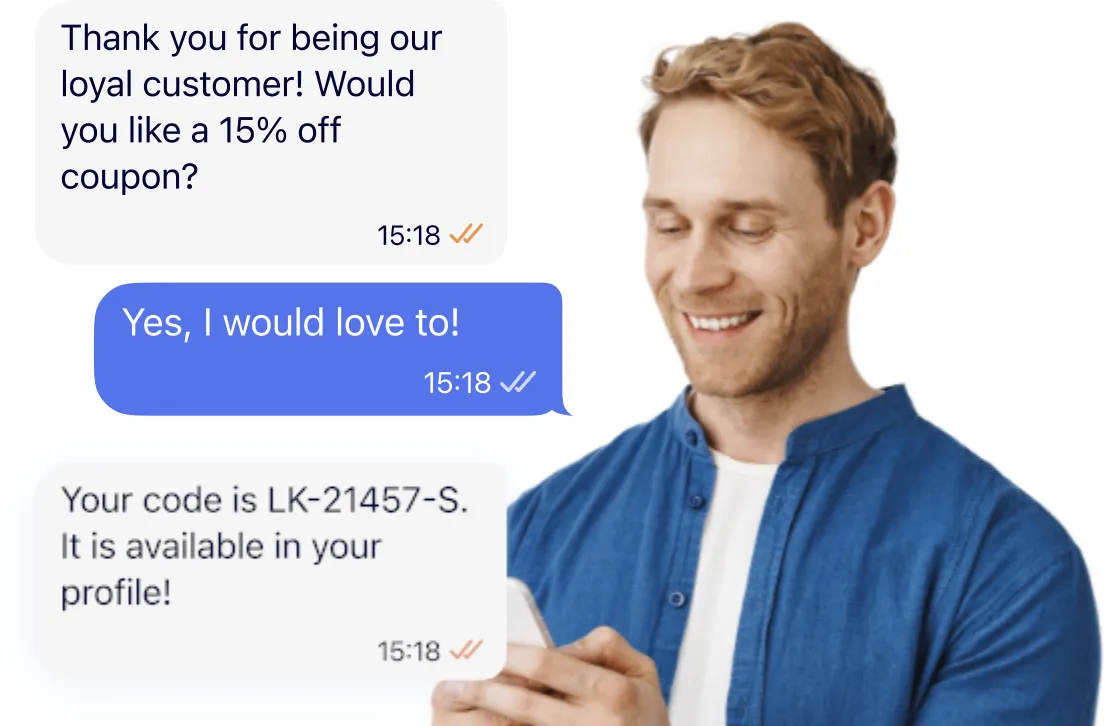









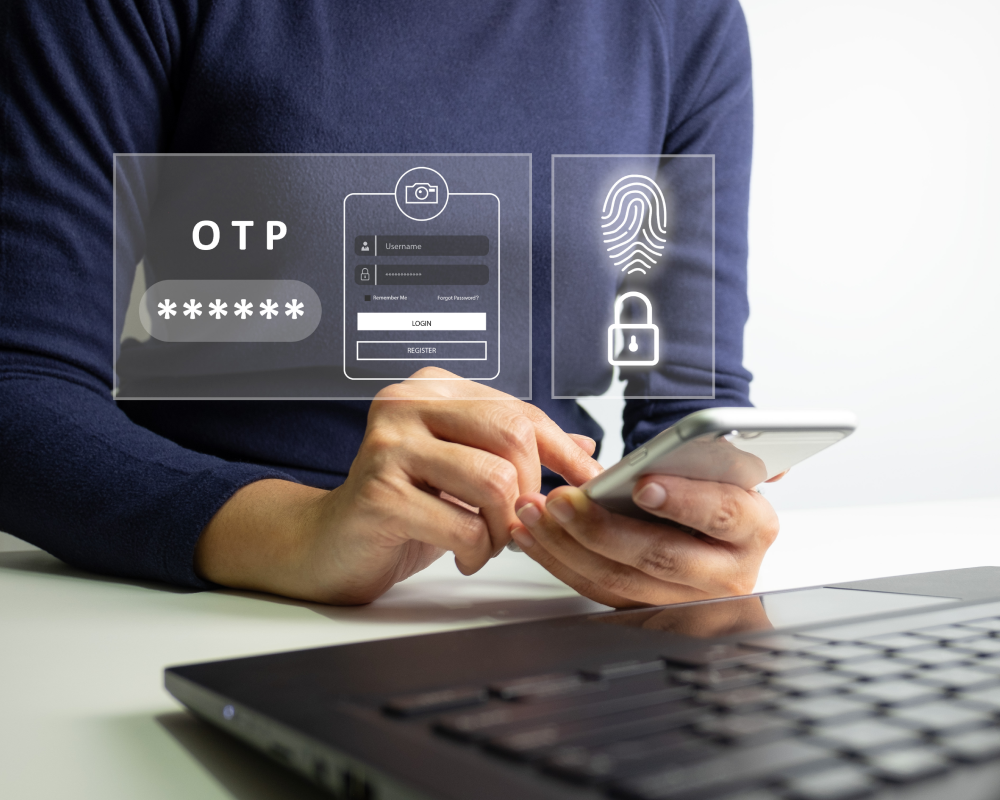
Businesses today need secure ways to verify users during logins, registrations, and financial transactions. An SMS OTP service delivers a one time password directly to a user’s mobile phone to confirm identity. OTP authentication offers a reliable security layer for online services.
This is part of a series of articles about OTP.
What is an SMS OTP Service
An SMS OTP service is a security mechanism that verifies a user’s identity by sending a one time password (OTP) to their mobile phone via SMS. The user must enter this code to complete an action such as logging in, registering an account, or confirming a transaction. Because the code is unique, time limited, and tied to a specific session, it adds a strong layer of protection beyond static passwords.
In practice, an SMS OTP service connects application logic with messaging infrastructure. When a verification is triggered, the system generates a random code and delivers it through global carrier networks in real time. The user enters the code, and the system validates it before granting access. This process ensures that only someone with access to the registered mobile number can complete the authentication flow.
SMS OTP services are widely used because they combine security, speed, and universal reach. Unlike app based authentication methods, SMS does not require users to download additional software or own a smartphone. This makes it one of the most accessible and scalable verification methods for businesses operating across different regions and device types, especially in industries where secure and frictionless user authentication is critical.
Benefits of SMS OTP Services
SMS OTP authentication offers several advantages for businesses that need fast and secure user verification.
- Strong security protection: One time passwords significantly reduce the risk of stolen credentials being reused by attackers.
- Universal reach: SMS works on nearly every mobile phone, making OTP verification accessible even in regions where smartphones or apps are less common.
- Fast authentication experience: Users receive verification codes within seconds, allowing them to complete login or transaction flows quickly.
- Easy implementation: Most SMS OTP service providers offer APIs and SDKs that allow developers to integrate authentication workflows into websites or mobile applications.
- Fraud prevention: OTP verification helps protect financial transactions, account changes, and other sensitive operations.
- Scalable authentication infrastructure: Modern platforms can handle millions of OTP messages per day across global carrier networks.
Many businesses access this infrastructure through CPaaS providers that bundle carrier connectivity, routing optimization, and compliance tools into a single platform.
How SMS OTP Authentication Works
SMS OTP authentication follows a straightforward process that connects application logic, code generation, and messaging infrastructure.
For a broader look at how OTP authentication works across delivery channels, see our guide to SMS OTP and its most common use cases.
Trigger
The authentication process begins when a user attempts to perform an action that requires identity verification. Examples include logging in, resetting a password, or confirming a financial transaction. The application sends a request to an SMS OTP service platform to generate and deliver a verification code. This request typically includes the user’s phone number and the context of the authentication attempt. The platform then initiates the OTP workflow and prepares the verification message for delivery.
Code Generation
The OTP platform generates a unique one time password. These codes typically contain 4 to 8 digits and are valid only for a short period, often between 30 seconds and a few minutes. The generated code is securely linked to the user session to ensure it cannot be reused later. Randomized algorithms are used to ensure that each code is unpredictable and resistant to brute force attacks. Many systems also apply expiration timers to automatically invalidate unused codes.
Delivery
The OTP service sends the verification code through an SMS message to the user’s mobile phone. Reliable delivery depends on strong carrier connectivity, optimized routing, and messaging infrastructure that can quickly deliver messages across global networks. Many providers use intelligent routing systems to select the fastest and most reliable carrier path. High quality delivery infrastructure helps ensure OTP messages arrive within seconds.
For businesses looking to extend verification beyond SMS, WhatsApp OTP offers an internet-based alternative with higher delivery reliability in regions with poor carrier coverage.
Verification
The user enters the received OTP code into the application. The system verifies that the code matches the generated value and has not expired. If the verification succeeds, the user is granted access or the requested transaction is completed. If the code is incorrect or expired, the authentication attempt is rejected. Most systems allow users to request a new OTP if the previous code expires before being entered.
10 Notable SMS OTP Services
Choosing the right SMS OTP service provider is critical for ensuring fast, reliable, and secure user authentication. While most platforms offer basic OTP delivery, they differ significantly in terms of global reach, delivery performance, fraud protection, and ease of integration. Businesses should evaluate providers based on their ability to deliver verification codes quickly, integrate seamlessly with existing systems, and scale authentication workflows across regions and use cases. Below are some of the leading SMS OTP service providers used by enterprises and developers worldwide.
For a broader comparison of verification methods beyond SMS, our guide to OTP services covers all major delivery types and leading providers.
1. MessageWhiz

MessageWhiz provides a performance focused SMS OTP service designed for high delivery speed, strong reliability, and global authentication coverage. The platform is optimized for real time verification workflows and supports businesses that require consistent OTP delivery across multiple regions.
Its focus on performance driven messaging makes it particularly well suited for businesses where OTP delivery speed directly impacts conversion and user experience.
Key features include:
- Optimized global SMS delivery infrastructure: Ensures fast OTP delivery across international carrier networks with high success rates
- Intelligent routing engine: Selects the most efficient delivery path in real time to reduce latency and improve reliability
- High deliverability for time sensitive messages: Designed specifically for OTP use cases where speed directly impacts user experience
- REST APIs for fast integration: Enables developers to quickly embed OTP authentication into web and mobile applications
- Built in fraud protection and traffic filtering: Detects suspicious patterns such as SMS pumping and blocks malicious activity
- Real time delivery tracking and analytics: Provides visibility into message status, latency, and success rates
- Scalable infrastructure for high volume authentication: Supports millions of OTP messages per day without performance degradation
- Omnichannel fallback options: Automatically switches to channels such as WhatsApp when SMS delivery fails

2. Twilio Verify

Twilio Verify is a widely adopted authentication platform that provides developers with flexible APIs to build and manage OTP verification flows across multiple channels.
Twilio is often chosen by development teams that prioritize flexibility and customization within complex authentication environments.
Key features include:
- Programmable verification APIs: Allows developers to create custom OTP workflows tailored to application needs
- Multi channel authentication support: Supports SMS, voice, email, and app based verification methods
- Global carrier connectivity: Enables OTP delivery across a wide range of international markets
- Built in fraud prevention tools: Includes rate limiting, geo permissions, and risk based authentication controls
- Verification attempt tracking: Monitors authentication activity to detect abuse or suspicious behavior
- SDKs for mobile and web apps: Simplifies implementation across platforms
- Customizable message templates: Allows branding and localization of OTP messages
- Scalable infrastructure: Designed to support enterprise level authentication volumes
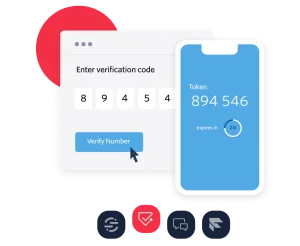
Source: Twilio.co,
3. Vonage

Vonage offers communication APIs that support SMS based OTP delivery alongside broader customer communication capabilities. Vonage is a strong option for businesses looking to combine authentication with broader customer communication capabilities in a single platform.
Key features include:
- SMS and voice based verification: Provides fallback options if SMS delivery is delayed or fails
- Global messaging infrastructure: Supports OTP delivery across multiple regions with carrier redundancy
- Flexible API integration: Allows developers to embed authentication workflows into applications
- Failover routing capabilities: Automatically reroutes messages to improve delivery success rates
- Number verification services: Validates phone numbers before sending OTP messages
- Fraud detection and prevention tools: Helps identify abnormal traffic and authentication abuse
- Real time reporting dashboards: Tracks delivery performance and verification success
- Integration with communication APIs: Enables OTP alongside broader messaging use cases
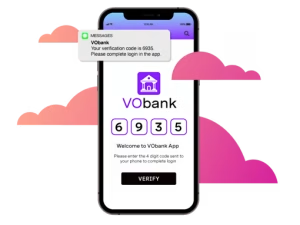
Source: Vonage.com
4. Infobip OTP

Infobip provides enterprise grade authentication solutions backed by a large global messaging network and advanced delivery optimization capabilities.
Infobip is commonly used by large enterprises that require high volume authentication with consistent delivery across multiple regions.
Key features include:
- Extensive global carrier connectivity: Ensures reliable OTP delivery across diverse geographic regions
- Dedicated OTP authentication APIs: Designed for secure and scalable verification workflows
- Real time delivery tracking: Monitors message performance and delivery success rates
- Two factor authentication support: Enables layered security for sensitive transactions
- Advanced fraud protection tools: Detects anomalies and prevents unauthorized access attempts
- Omnichannel authentication options: Supports SMS, voice, and other messaging channels
- Failover routing for reliability: Maintains delivery performance during network issues
- Enterprise grade scalability: Handles high volume authentication use cases
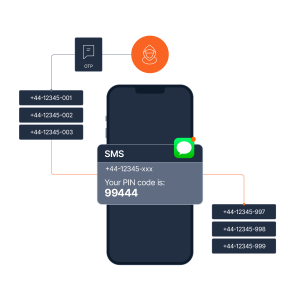
Source: Infobip.com
5. Exotel OTP

Exotel provides cloud communication APIs with a focus on regional markets and scalable authentication workflows. Exotel is often selected by companies operating in specific regional markets that require localized messaging performance and support.
Key features include:
- SMS and voice OTP delivery: Ensures users receive verification codes even if one channel fails
- API driven authentication workflows: Enables easy integration into applications
- Regional messaging infrastructure: Optimized for specific markets with strong local connectivity
- Automated verification processes: Reduces manual intervention in authentication flows
- Message delivery reporting: Tracks OTP performance and delivery metrics
- Fraud prevention and spam controls: Protects against abuse and unauthorized activity
- Developer friendly SDKs: Simplifies implementation across platforms
- Integrated communication platform: Supports OTP alongside voice and messaging services
6. Bird AI

Bird AI offers cloud communication services that include SMS based authentication and verification solutions. MessageBird appeals to businesses that want to unify authentication and customer communication workflows within a single platform.
Key features include:
- SMS verification APIs: Enables quick deployment of OTP authentication workflows
- Global messaging reach: Supports OTP delivery across international markets
- Voice based OTP fallback: Provides alternative delivery methods for reliability
- Delivery status tracking: Offers real time visibility into message performance
- Multi channel messaging support: Extends authentication across additional channels
- Fraud detection capabilities: Identifies suspicious activity and protects authentication flows
- Developer friendly tools and SDKs: Accelerates integration and deployment
- Workflow automation features: Enables event triggered verification messages
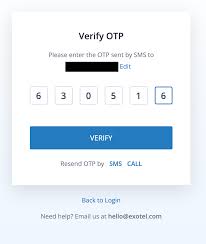
Source: Bird.com
7. Plivo

Plivo provides communication APIs with a focus on simplicity, scalability, and cost effective messaging solutions. Plivo is frequently chosen by organizations looking for a cost effective solution without sacrificing core messaging performance.
Key features include:
- SMS based OTP verification APIs: Supports secure user authentication workflows
- Global messaging infrastructure: Ensures reliable delivery across multiple regions
- Voice verification options: Adds redundancy for critical authentication scenarios
- Real time delivery reporting: Tracks message performance and success rates
- Two factor authentication support: Enhances account security
- Comprehensive developer documentation: Simplifies implementation
- Traffic monitoring and fraud controls: Helps prevent misuse and abuse
- Scalable messaging platform: Supports growing authentication needs
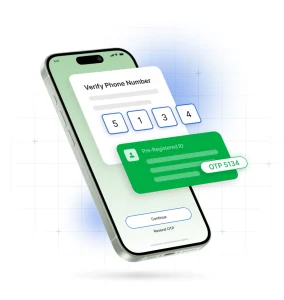
Source: Plivo.com
8. Sinch

Sinch delivers enterprise level messaging and authentication services with a focus on high volume global communication. Sinch is well suited for enterprises that need to deliver authentication messages at scale across diverse global markets.
Key features include:
- SMS based verification services: Enables secure OTP delivery at scale
- Voice authentication support: Provides fallback for failed SMS delivery
- Extensive global network connectivity: Ensures consistent delivery performance
- Advanced fraud protection tools: Detects suspicious authentication attempts
- Multi channel verification support: Expands beyond SMS when needed
- Authentication analytics and reporting: Provides insights into verification performance
- API based integration: Enables flexible implementation
- High throughput messaging infrastructure: Supports large scale enterprise use cases
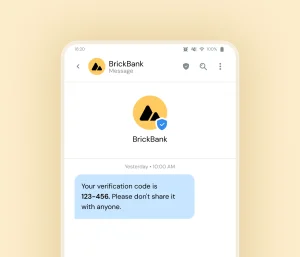
Source: Sinch.com
9. SMSCountry

SMSCountry focuses on enterprise messaging solutions with support for OTP delivery and bulk messaging use cases. SMSCountry is typically used by businesses that require a combination of OTP authentication and bulk messaging capabilities.
Key features include:
- SMS OTP messaging platform: Designed for secure verification workflows
- Global SMS routing capabilities: Supports delivery across international markets
- Delivery monitoring and analytics: Tracks message performance
- Two factor authentication workflows: Enhances security for user accounts
- API based integration: Enables easy connection to applications
- Bulk messaging infrastructure: Supports large scale communication needs
- Secure message transmission: Protects sensitive authentication data
- Campaign management tools: Allows broader messaging use cases alongside OTP
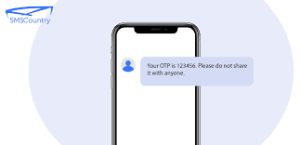
Source: Smscountry.com
10. MSG91

MSG91 provides cloud communication APIs with a focus on developer accessibility and scalable authentication. MSG91 is popular among developers and growing businesses that need a simple and scalable way to implement OTP authentication.
Key features include:
- SMS based OTP verification platform: Supports secure authentication flows
- Developer friendly APIs: Simplifies integration into applications
- Global messaging connectivity: Enables OTP delivery across regions
- Automated authentication workflows: Reduces manual configuration
- Delivery tracking and reporting: Monitors OTP performance
- Traffic monitoring tools: Detects abnormal activity and fraud
- Integration with mobile and web apps: Supports multiple platforms
- Scalable messaging infrastructure: Handles growing authentication demand
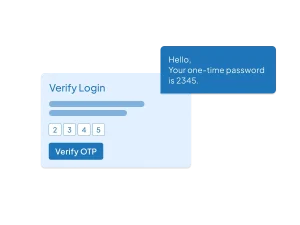
Source: msg91.com
Evaluating and Choosing an SMS OTP Service Provider
Selecting the right SMS OTP service provider requires evaluating how well a platform can deliver fast, secure, and scalable authentication under real world conditions. OTP delivery is directly tied to user experience, conversion rates, and fraud prevention, making provider selection a critical technical decision rather than just a vendor comparison.
Delivery Performance: Speed and Reliability
OTP authentication depends on near instant message delivery. Even small delays can lead to failed logins, abandoned transactions, and frustrated users.
A reliable provider should offer:
- Optimized routing: Intelligent path selection to minimize latency
- Strong carrier connectivity: Direct relationships with global carriers
- High delivery success rates: Consistent performance across regions
- Low latency delivery: OTPs arriving within seconds, not minutes
Ease of Integration and Developer Experience
OTP services must integrate quickly into authentication flows without slowing down development cycles.
Look for providers that offer:
- Well documented APIs and SDKs: Clear implementation guidance
- Flexible authentication workflows: Support for different use cases
- Sandbox or free tier environments: Ability to test before production deployment
- Minimal implementation overhead: Faster time to launch
Platforms that are difficult to integrate often delay product releases and increase engineering costs.
Security Features and Fraud Detection
OTP systems are a frequent target for abuse, including SMS pumping and automated attacks. Strong security controls are essential.
Key capabilities include:
- Rate limiting: Prevents excessive OTP requests
- Bot and abuse detection: Identifies automated or suspicious behavior
- Traffic filtering: Blocks fraudulent messaging patterns
- Session based validation: Ensures OTPs are tied to specific user actions
- Expiration controls: Limits the time window for code usage
Without these protections, OTP systems can become a source of both fraud and unnecessary cost.
Global Reach and Network Connectivity
For businesses operating across multiple regions, consistent delivery is critical. Not all providers perform equally well in every market.
Evaluate:
- Carrier coverage by region: Strength of local delivery networks
- Redundant routing options: Backup paths to maintain delivery
- Regional performance consistency: Avoiding delivery gaps in key markets
A provider with weak connectivity in even one region can create authentication failures for users.
Analytics and Reporting
Visibility into OTP performance is essential for optimizing authentication flows and identifying issues.
Strong platforms provide:
- Real time delivery tracking: Message status and latency insights
- Verification success rates: Understanding completion rates
- Fraud detection signals: Identifying abnormal patterns
- Operational dashboards: Monitoring system performance
These insights help teams improve both security and user experience over time.
Support, SLAs, and Incident Response
OTP authentication is often part of critical user flows such as login and payments. Downtime or delays directly impact revenue and customer trust.
Providers should offer:
- Strong service level agreements (SLAs): Guarantees on uptime and delivery
- Responsive technical support: Fast resolution of issues
- Incident response processes: Clear protocols for outages or disruptions
- 24/7 availability: Support across time zones
When authentication fails, response time matters as much as the issue itself.