









Email vs SMS Marketing Is the Wrong Question
Email vs SMS marketing is often framed as a choice between two competing channels. In reality, email and SMS serve very different purposes within the customer journey, and the most effective strategies use both intentionally.
Email excels at delivering richer content that customers can read, save, and revisit at their own pace, often on a larger screen with fewer distractions. SMS, by contrast, is built for immediacy, reaching customers instantly on their mobile devices when timing and visibility matter most. Understanding how these channels complement each other is far more valuable than debating which one is “better.”
What Is Email Marketing?
Email marketing is a permission-based communication channel used to deliver structured, content-rich messages directly to a subscriber’s inbox. It is commonly used for nurturing relationships, sharing updates, and providing information that benefits from longer reading time.
Typical email marketing use cases include newsletters, product announcements, educational content, account summaries, and downloadable assets such as guides or reports. Because email is often read on desktop or tablet devices, it is well suited for messages that require attention, context, or follow-up.
What Is SMS Marketing?
SMS marketing uses text messages to deliver short, direct communications to customers’ mobile phones. It is designed for speed and visibility, with messages appearing immediately on the user’s lock screen.
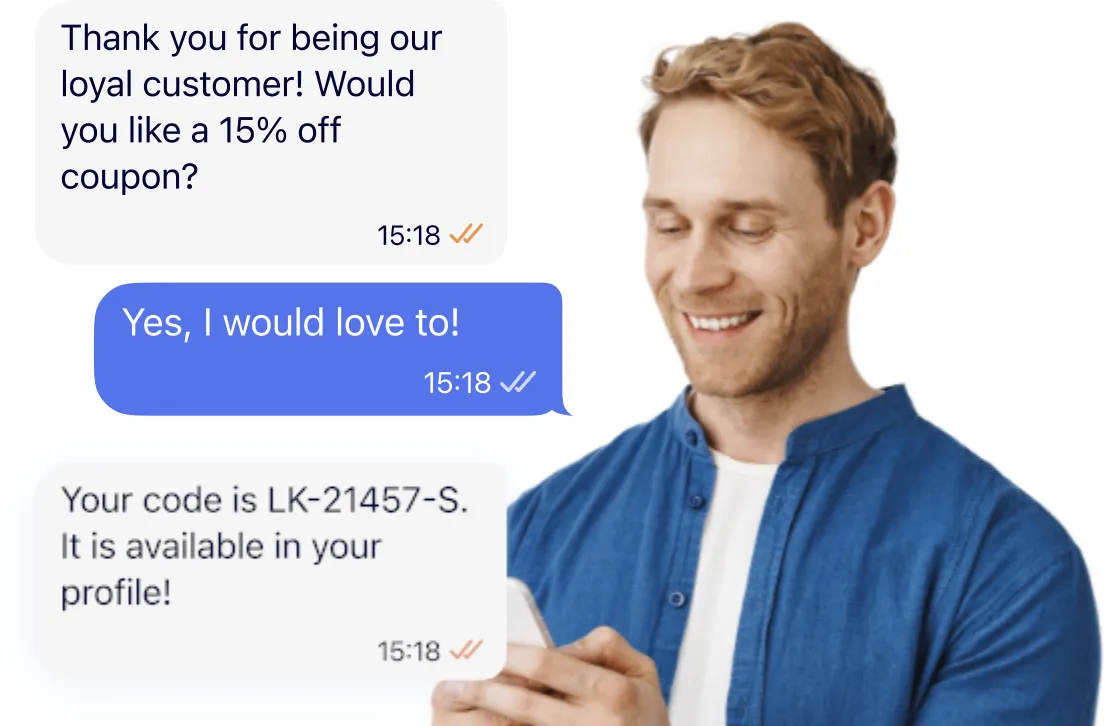
SMS marketing is commonly used for time-sensitive alerts, confirmations, reminders, one-time passwords, and short promotional messages. Because of its immediacy and high visibility, SMS is most effective when the message requires quick awareness or action.
In practice, many people use the term SMS interchangeably with other messaging channels such as WhatsApp, Viber, or Telegram. While SMS does not support the same rich features as these messaging apps, emerging standards like RCS, often described as next-generation SMS, are expanding the channel to support richer, more interactive communication. This article focuses on the SMS channel.
How Email Marketing Works
Email marketing typically begins with subscriber opt-in and list management, followed by campaign-based or automated message delivery. Emails can be scheduled in advance or triggered by specific customer actions, such as a purchase, signup, or account update.
The format allows for rich layouts, images, links, and attachments, making email ideal for storytelling and detailed communication. While delivery is reliable, engagement often depends on subject lines, timing, and inbox competition, which means email is better suited for considered interactions rather than urgent ones.
How SMS Marketing Works
SMS marketing relies on explicit opt-in and is governed by stricter consent and timing requirements. Messages are concise by design and are typically triggered by events or sent at carefully chosen moments.
Once sent, SMS messages are delivered almost instantly and are difficult to miss. This makes SMS highly effective for urgent notifications and transactional communication, but less suitable for complex messaging that requires explanation or extended reading.
Email Marketing vs. SMS Marketing: Key Differences
Message Format and Content Depth
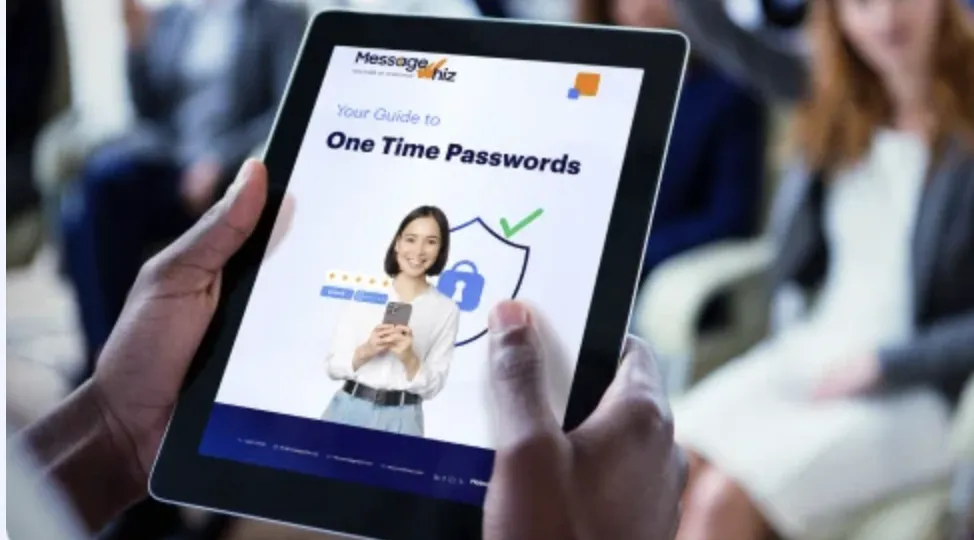
Email supports long-form content, visual layouts, and detailed explanations, making it ideal for education and storytelling. SMS is limited in length and works best for clear, focused messages. In email vs SMS marketing, content depth is one of the most important differentiators. For example, long-form PDFs are typically more effective over email, where they are more likely to be opened and read on a computer rather than on a small, distraction-prone mobile screen.
Audience Reach and Delivery
Email enables broad communication at scale, but messages must compete for attention in crowded inboxes. SMS reaches customers directly on their phones, where fewer messages compete for visibility. This makes SMS more immediate, while email is more flexible. Email is well suited for planned campaigns and ongoing communication, while SMS excels at cutting through noise when a message must be seen quickly.
Open and Engagement Rates
Email engagement varies based on timing and relevance, while SMS messages are typically opened within minutes. When evaluating email vs SMS marketing, urgency plays a major role in determining engagement. Email engagement often builds over time through consistent value, while SMS drives fast reactions in moments that demand attention.
Cost
Email is generally more cost-effective for high-volume communication and content-heavy campaigns. SMS has a higher per-message cost, which makes it better suited for messages where immediacy and visibility justify the expense. Many organizations use email for scale and SMS selectively for high-impact moments where speed directly influences outcomes.
Compliance and Regulations
Both channels require user consent, but SMS is subject to stricter opt-in rules and delivery restrictions. Email compliance focuses on unsubscribe mechanisms and data protection. In practice, these regulations reinforce responsible use of both channels and encourage brands to reserve SMS for messages that provide clear, immediate value to the recipient.
Personalization and Automation
Email allows for deep personalization through dynamic content and long automation journeys. SMS personalization is more contextual, driven by timing, triggers, and concise messaging. While email supports layered personalization over time, SMS delivers relevance through precision and moment-based communication.
Customer Experience
Email is non-intrusive and easy for users to revisit, while SMS is interruptive by nature but effective when used sparingly. A positive customer experience depends on choosing the right channel for the right message. When email and SMS are used together intentionally, customers receive information in the format and moment that feels most natural rather than disruptive.
| Pros | Cons |
| Supports detailed, long-form communication | Less effective for urgent or time-sensitive messages |
| Ideal for education, onboarding, and nurturing | Messages can be delayed or missed in busy inboxes |
| Easy for customers to save, search, and reference | Slower response compared to messaging channels |
These limitations often indicate that SMS or another messaging channel may be a better fit for certain moments.
Pros and Cons of SMS Marketing
| Pros | Cons |
| Immediate visibility and high open rates | Limited message length |
| Excellent for urgent alerts and confirmations | Higher cost per message |
In many cases, these “cons” simply mean that email is better suited for follow-up or detailed information.
SMS Marketing vs. Email Marketing: How to Choose?
Choosing between email vs SMS marketing should start with the message, not the channel. The key question is what the customer needs in that moment.
SMS is ideal when communication requires immediate attention, such as time-limited offers, security alerts, or real-time updates. Email is better suited for messages that benefit from context, explanation, or longer reading time, such as guides, receipts, or account summaries.
The strongest strategies combine both. For example, a short SMS can alert a customer to an important update, while an email delivers the full details. When email and SMS are used together, brands create clearer, more effective customer journeys.
Why Email and SMS Work Better Together
Email vs SMS marketing should not be about choosing one channel over the other. Modern customer communication is multi-channel by design, and each channel plays a distinct role.
By understanding the strengths of email and SMS and using them in complementary ways, businesses can improve engagement, reduce friction, and deliver better customer experiences across every stage of the journey.
MessageWhiz Brings Email and SMS Together
The most effective email vs SMS marketing strategies don’t rely on a single channel in isolation. They bring email and SMS together within a unified communication framework that makes it easier to choose the right channel for each moment.
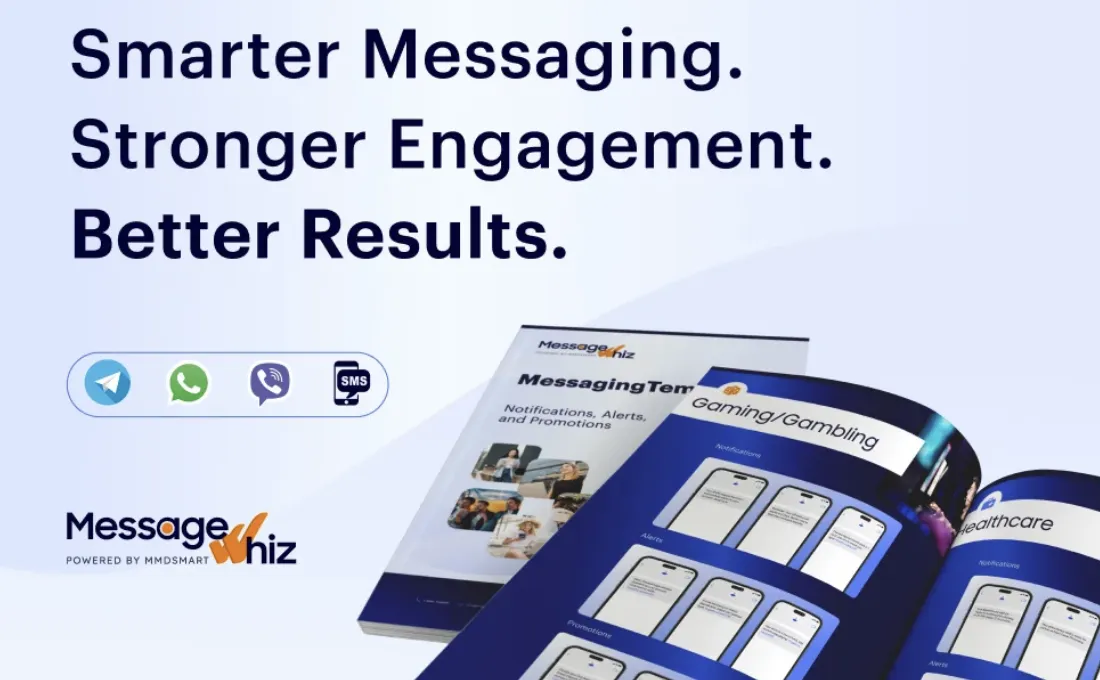
MessageWhiz supports both email and SMS as part of its omnichannel offering (as well as WhatsApp, Viber, Telegram, and voice), enabling businesses to orchestrate timely alerts, rich content, and automated journeys across channels from a single platform. By managing email and SMS together, teams can maintain consistency, improve delivery, and create customer experiences that feel coordinated rather than fragmented.