










In soccer, a free kick is one of the rarest gifts in the game. The ball is perfectly placed, the defense is set, and the player has a clear shot. What happens next often defines the match.
For Rich Communication Services (RCS), the 2026 FIFA World Cup is that moment.
Rich Communication Services (RCS) is the next-generation standard for mobile messaging, built natively into the messaging app on every modern Android and iOS device. Unlike SMS, RCS lets businesses send branded messages with rich media, interactive buttons, and read receipts, without asking recipients to download a separate app. For years, limited reach held RCS back from mainstream adoption. That changed in 2024 when Apple added native RCS support to iPhones, giving the channel near-universal smartphone coverage for the first time.
The technology is ready. The audience is about to arrive. Whether the businesses that stand to benefit most will act on that or let the moment pass to a channel that moved faster is the question the 2026 World Cup will answer.
Why Is the 2026 FIFA World Cup a Turning Point for RCS?
The US is where this decision gets made. It is the market where global platforms operate, where the largest consumer brands run their marketing budgets, and where enterprise adoption sets the standard other markets follow. If RCS becomes a core communication channel in the US during the World Cup, the rest of the world will take notice. If it does not, the channel risks staying regional and fragmented rather than becoming the global standard it has the potential to be.
The 2026 FIFA World Cup will be the largest tournament in the event’s history. Matches will begin in Mexico City and conclude with the final in New York/New Jersey, spanning 16 cities and three countries across North America.
The scale of travel surrounding the tournament is enormous:
- According to FIFA and US Travel Association projections, 1.2 million international visitors are expected to travel to the United States
- Roughly 5 million domestic travelers are expected to move between host cities, based on FIFA’s 2026 planning estimates
- Fans typically stay around 12 days, often attending multiple matches
This creates one of the largest short-term concentrations of global travelers ever seen. Millions of visitors will be navigating unfamiliar cities, coordinating travel plans, booking restaurants, buying merchandise, and managing event logistics.
For businesses, the challenge and opportunity is clear:
How do you communicate with millions of guests in real time, across multiple cities, in multiple languages, while keeping the experience timely and personal? Will it be RCS? Or some other channel?
What Makes RCS Better Than SMS or WhatsApp for Live Events?
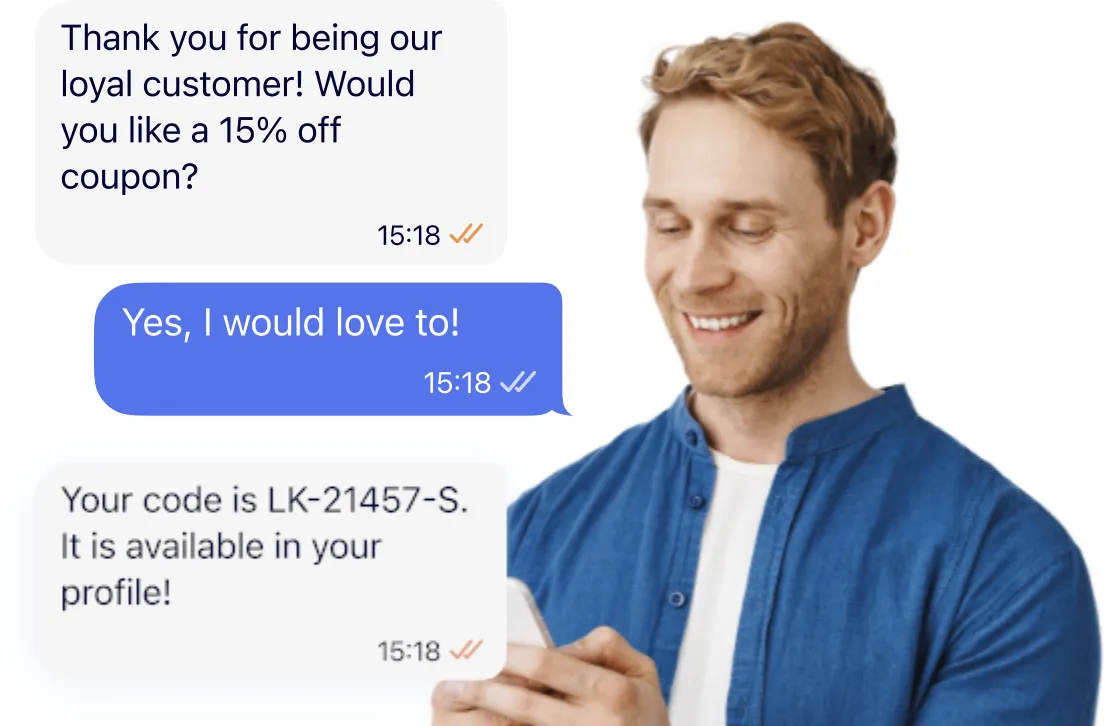
Unlike traditional SMS, RCS enables businesses to deliver interactive, branded messaging experiences directly in the phone’s native messaging app. And unlike other rich communication apps like WhatsApp, Viber, or Telegram, every smartphone already has RCS built in.
This means brands can confidently send rich communications without first asking whether their customers have downloaded a separate app. They can send messages that include:
- Rich images and match content
- Interactive buttons and menus
- Maps and directions
- Ticket confirmations and updates
- Personalized offers based on a fan’s location and match history
Instead of asking visitors to install multiple apps, businesses can communicate through a channel that already exists on every smartphone.
How Does RCS Compare to SMS and WhatsApp?
RCS sits in a useful middle ground. It delivers the rich media and interactivity of apps like WhatsApp, but through the phone’s native messaging app, with no download required like SMS.
| Feature | SMS | RCS | |
| Pre-installed on device | Yes | No | Yes |
| Rich media (images, video) | No | Yes | Yes |
| Interactive buttons | No | Yes | Yes |
| Branded sender profile | No | Limited | Yes |
| Read receipts | No | Yes | Yes |
| App download required | No | Yes | No |
| Works without internet | Yes | No | No |
How Can RCS Transform the World Cup Experience?
The travel ecosystem surrounding the World Cup creates dozens of opportunities for richer messaging experiences across every major industry vertical.
Airlines and Travel Providers
Airlines and travel platforms can use RCS to deliver interactive boarding passes, airport navigation, gate updates, and destination recommendations directly inside a traveler’s messaging inbox. Passengers receive a richer, more actionable experience than a standard SMS alert, without needing to open a separate airline app.
Hotels and Hospitality
Hotels can transform guest communication through digital check-in, concierge services, restaurant reservations, and match-day transportation updates. An interactive RCS message can let a guest confirm a late checkout or request a taxi with a single tap, all within the messaging inbox they already use.
Ticketing and Event Platforms
Ticket brokers and event organizers can deliver secure ticket distribution, match reminders, stadium entry instructions, and real-time merchandise or upgrade offers. Because RCS supports verified sender profiles, fans can trust that the message is coming from the official issuer.
Restaurant and Retail Chains
For chains operating across multiple host cities, RCS creates a continuous customer relationship that follows fans as they travel. A fan who visits a restaurant in Los Angeles can receive a personalized follow-up offer when they arrive in Dallas for their next match. The relationship continues across locations instead of resetting after the first visit.
Will Brands Actually Deploy RCS During the 2026 World Cup?
RCS is no longer a question of technology. Its future hinges on adoption.
The channel finally has the ingredients the messaging industry has been waiting for since Google acquired Jibe in 2015: universal reach, rich capabilities, and a global audience. It also has an important advantage over competing messaging platforms like WhatsApp or Viber. RCS lives natively inside the smartphone messaging inbox, meaning brands can reach customers without asking them to download another app.
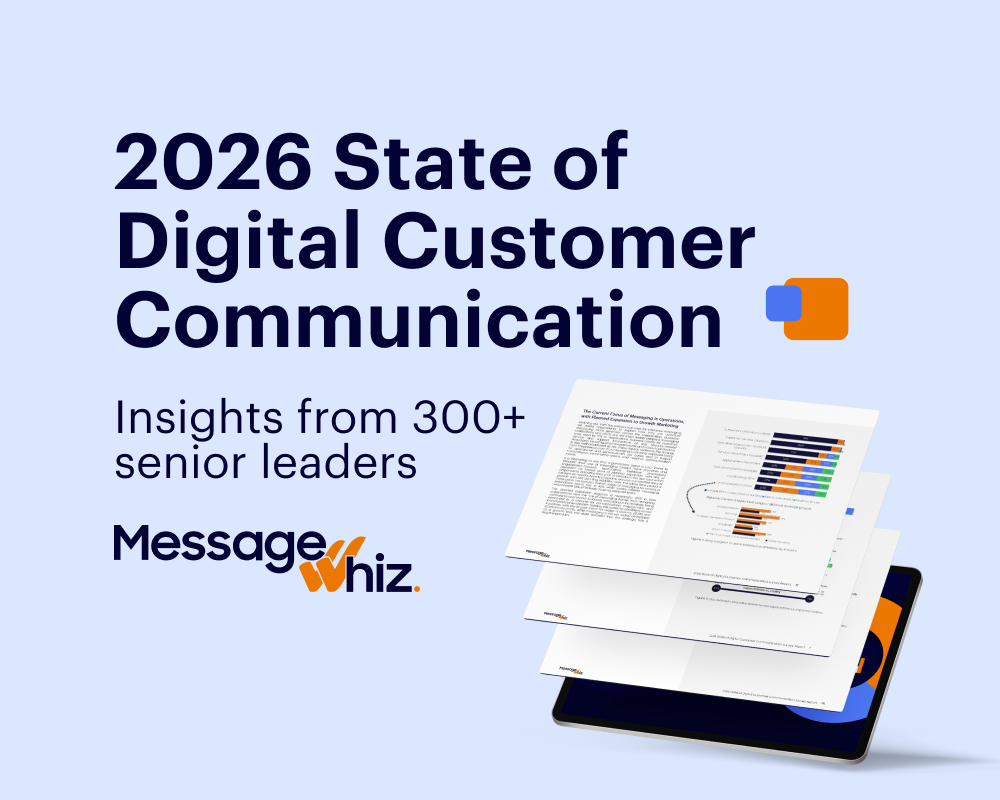
According to the 2026 State of Digital Customer Communication Report published by MMDSmart, only 10% of businesses currently use RCS as part of their messaging mix, despite near-universal smartphone coverage and consumers increasingly expecting businesses to communicate through channels already installed on their phones. That gap between availability and deployment is exactly where the World Cup creates pressure to act.
Despite years of progress, the same barriers that slowed RCS adoption in the past have not fully disappeared. Onboarding remains fragmented across carriers. Integration with your CRM, AI agents, or other management systems is still complex. Pricing models vary widely between regions.
For many enterprises, these are not minor inconveniences. They are reasons to delay.
What Is Holding RCS Adoption Back in 2026?
For all its potential, RCS still faces structural challenges at the exact moment it needs to perform.
- Fragmented onboarding: Brands still navigate approval processes across multiple carriers before a single campaign can go live. For global deployments, this adds weeks to timelines that should take days.
- Complex integrations: Connecting RCS to your CRM, AI agents, or other management systems still requires significant technical resources, creating a barrier for teams without dedicated engineering support.
- Inconsistent pricing: Message costs vary significantly across markets, making it difficult for global brands to build consistent campaign budgets and forecast ROI.
- Experimental mindset: Many enterprises still fund RCS from innovation or test budgets, treating it as a secondary channel rather than embedding it in core customer communication strategy.
These are not new problems. They are the same issues the industry has been discussing for years. And that is what makes the 2026 World Cup so important.
If these challenges are still present during the largest global event RCS has ever had access to, the industry will have to confront a difficult truth: the limitation is no longer technology. It is execution.
What Happens If RCS Misses This Moment?
Whether RCS succeeds at the 2026 World Cup will depend entirely on whether airlines, hotels, ticketing platforms, restaurants, and retail chains choose to deploy it during the tournament.
If brands move, RCS becomes the channel that defines how businesses communicate during global events. If they hesitate, delay, or default to existing channels, the industry faces a harder reckoning: not whether RCS can work technically, but whether the ecosystem around it is ready to let it.
The 2026 World Cup is the clearest test case RCS has ever had. The technology is ready. The audience is there. What remains to be seen is whether the businesses that could benefit most will treat this moment as the opportunity it is, or let it pass to a channel that moved faster.
Frequently Asked Questions About RCS
What is RCS messaging?
Rich Communication Services (RCS) is the next-generation standard for mobile messaging. Built natively into the messaging app on every modern Android and iOS device, RCS allows businesses to send branded, interactive messages with images, buttons, and read receipts, without requiring any app download from the recipient.
How is RCS different from SMS?
SMS sends plain text only. RCS adds rich media support (images, video, carousels), interactive reply buttons, branded sender profiles, and read receipts. Both live in the same native messaging inbox, so no new app is needed.
Does RCS work on iPhones?
Yes. Apple added RCS support to iPhones with iOS 18 in 2024. This gave RCS near-universal reach, since the channel now works across both Android and iOS without any action required from the end user.
What are the main barriers to RCS adoption for enterprises?
The primary barriers are fragmented carrier onboarding, complex integration with existing CRM and data systems, inconsistent pricing across markets, and an organizational tendency to treat RCS as a test budget rather than core infrastructure.
How can businesses use RCS during the 2026 FIFA World Cup?
Airlines can send interactive boarding passes and gate updates. Hotels can enable digital check-in and concierge requests via interactive messages. Ticket platforms can distribute secure, verifiable digital tickets. Restaurant and retail chains can maintain personalized relationships with fans as they travel between host cities, sending location-relevant offers based on where a fan has already been and where they are headed next.
Is RCS available worldwide?
RCS availability varies by market and carrier. Coverage is strong across the US, UK, most of Europe, and major markets in Asia-Pacific. For enterprise campaigns spanning multiple countries, verify carrier support in each target market, as pricing and onboarding requirements differ by region.
If you are planning to deploy RCS for the 2026 World Cup, MMDSmart MessageWhiz can get you campaign-ready quickly. Speak with our team to learn more.