












Why Multichannel Doesn’t Equal Omnichannel Messaging
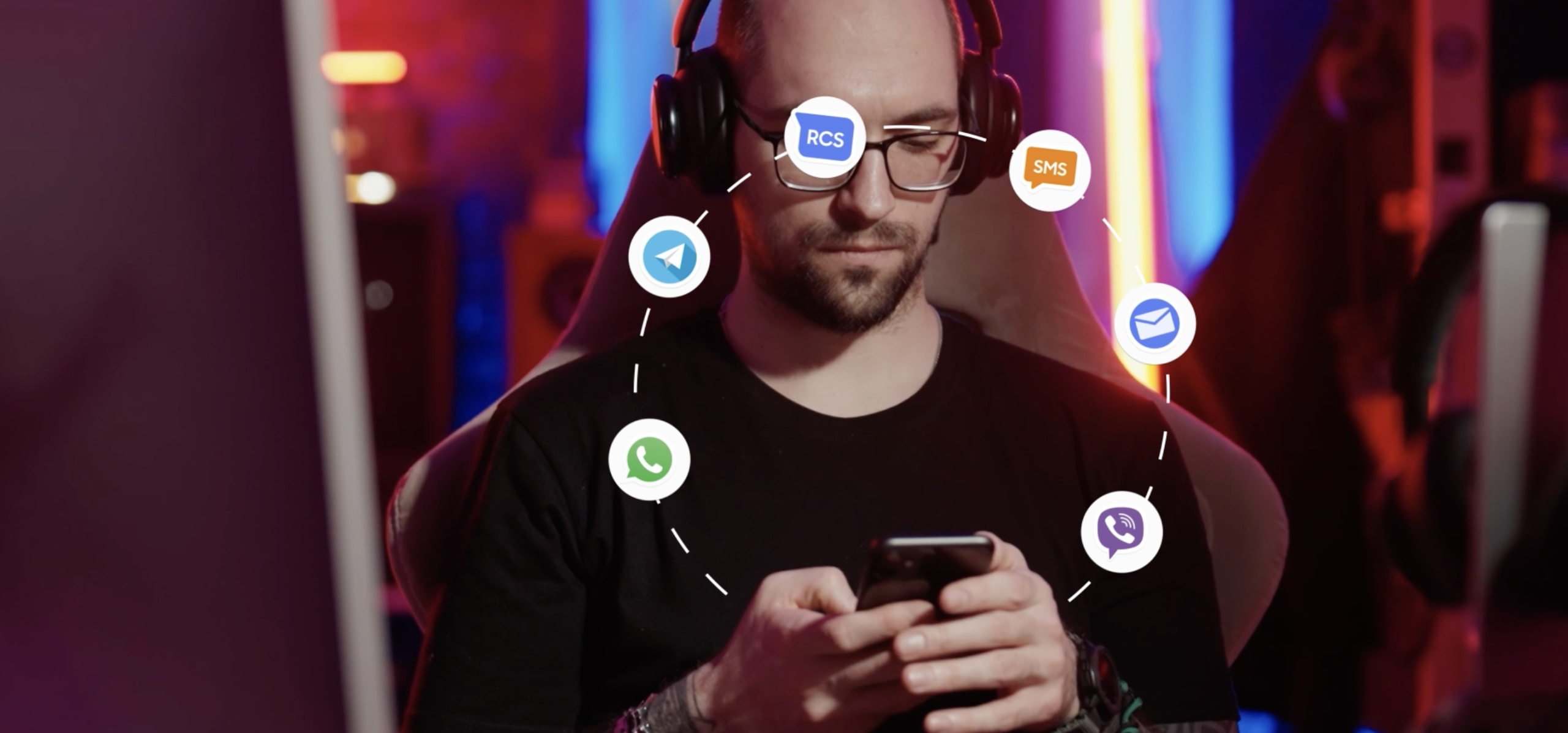
If you’re communicating with customers via SMS, WhatsApp, RCS, email, and voice, you may feel like your messaging is already omnichannel. You’re everywhere your customers are, which seems like it should be enough.
But using multiple channels doesn’t mean the experience feels connected. A customer might see messages coming in, while behind the scenes, your teams are dealing with mismatched records, scattered tools, and missing context. The more channels you add, the harder it can be to understand the full picture.
This is where many organizations get stuck. They expand coverage instead of continuity. If you’re just adding channels without unifying the experience behind them, the result won’t match the smooth, customer-first journey you set out to create.
This phenomenon is widespread. Research shows that organizations often confuse “more channels” with “better experiences,” leading them to invest in fragmented tools that don’t actually improve communication.
You can have all the right channels, but without a connected foundation, messages will appear out of sequence, customer details won’t carry over, and teams will struggle to understand where the conversation stands. You’re missing the thread that ties everything together.

Omnichannel Messaging as an Experience Strategy
A better way to understand omnichannel is to see it as a continuous experience, not a collection of channels. When someone moves from WhatsApp to email or from SMS to voice, the conversation should pick up exactly where they left off, not restart from zero.
Customers expect that continuity. They don’t want to repeat details, re-explain an issue, or feel like each channel exists in its own bubble. Remembering what happened moments ago signals reliability and strengthens long-term value.
Getting there doesn’t require a full overhaul. It means building a foundation where every channel draws from the same customer view, the same timeline of interactions, and the same logic that guides alerts, offers, reminders, and follow-ups.
When that foundation exists, channels stop acting like disconnected touchpoints and become different ways to move the same conversation forward.
What Unified Journeys Make Possible
Once communication becomes a single journey rather than a bunch of isolated messages, several things happen that benefit both your customers and your teams:
Customers feel recognized and understood
When interactions continue naturally across channels, customers feel like you remember their context. They don’t need to start over or repeat steps, which helps build real trust.
Conversations convert more easily
Friction drops when messages follow the right sequence. A reminder arrives after verification is complete. An upsell doesn’t interrupt a support issue. A cart recovery message appears at the right moment. Better sequencing leads to smoother outcomes across purchase, support, and engagement.
Loyalty grows because the experience is consistent
A consistent tone and timely follow-up reinforce reliability. When communication reflects where the customer actually is in the process, the overall experience supports retention and repeat business.
These benefits reflect what organizations are seeing as they move toward customer-first communication models and more unified journeys (Forbes).
How to Build Omnichannel Continuity Across Channels
This level of context continuity is achievable when your communication channels are connected through a single operational layer. Many organizations use a CPaaS (communication platform as a service) for this, because it brings messaging channels into one system and ties them to the customer record.
A CPaaS gives your teams one place where communication logic, customer history, and channel activity all connect. When communication runs through a unified foundation, your teams can:
- See what’s been sent and what’s scheduled
- Understand how a customer moved across channels
- Adjust timing based on real activity
- Avoid duplicate or conflicting messages
- Maintain a consistent tone
- Support compliance with a centralized record
The organizations seeing real impact are the ones that anchor their communication strategy in continuity from the start. When teams plan the customer journey around context rather than channel availability, the entire system becomes more reliable and easier to manage (McKinsey).
What Omnichannel Messaging Looks Like in Practice
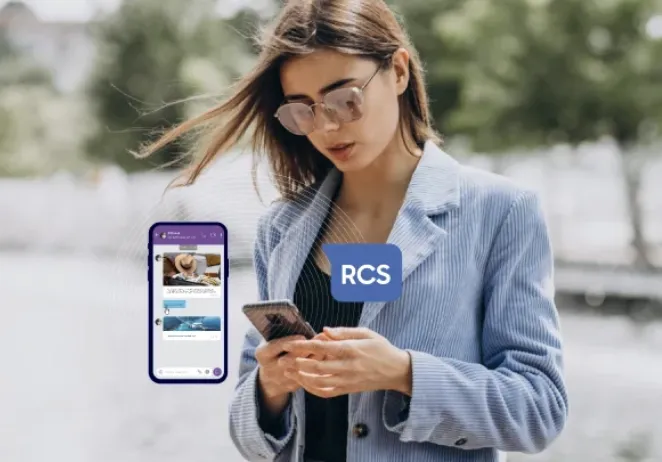
Imagine a customer booking a trip. They get an SMS confirming their reservation, a WhatsApp message offering them an upgrade, and later, an RCS update when their flight time changes. After the trip, they get a request for feedback through their preferred channel.
It’s a mix of formats, but from the customer’s point of view, it’s one continuous interaction. Every message fits into a single timeline, nothing gets lost or restarted, and the experience feels connected rather than stitched together.
When each touchpoint adds to the same story instead of becoming a separate conversation, that’s omnichannel messaging as it’s meant to be.
Where the Industry is Heading
Most organizations already leverage multiple channels. What’s missing is continuity. When you start looking at omnichannel as an experience strategy rather than a technology checklist, communication becomes easier to manage, easier to scale, and more valuable for your teams and customers.
Consistency builds trust. Context drives relevance. Connected journeys help you operate with more clarity and serve with more confidence. That’s the shift from channels to journeys, and it’s where communication is headed for organizations that want to stay aligned with how customers actually interact today.
See how Omnichannel improves customer communication