











Fraud is no longer a niche security problem handled quietly by risk teams. It is a direct revenue threat that touches customer trust, operational costs, and long-term growth. Account takeovers, payment fraud, phishing, and social engineering attacks don’t just create losses on a balance sheet, they erode confidence and push customers away.
As fraud tactics accelerate with automation and personalization fueled by AI, messaging plays a critical role as an active fraud defense layer. It enables real-time verification, instant transparency, and trusted communication at the exact moments fraud attempts occur. And because messaging channels are already embedded into how customers interact with brands, they add security without adding friction.
Why OTP Is Still Valid (and Why It’s Not Going Away)
Every few years, someone declares OTP is dead, and every year, OTP proves them wrong.
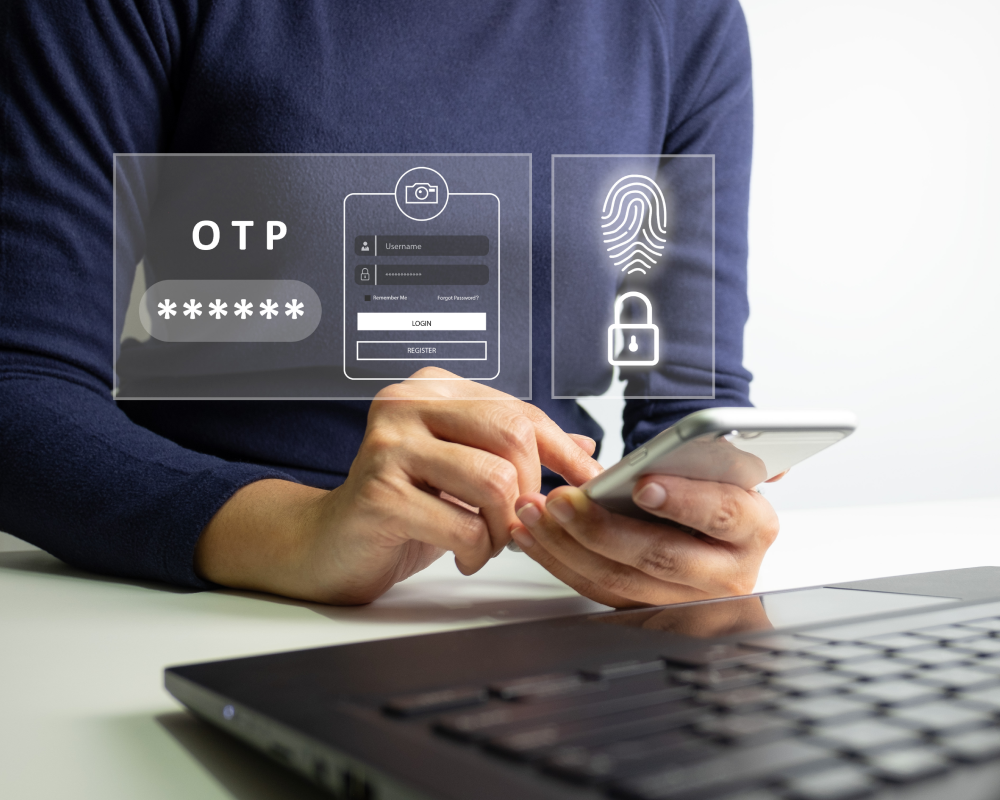
OTPs remain widely used because they work at a global scale. Unlike passkeys, biometrics, or hardware-based authentication, OTPs don’t require modern devices, app installs, or platform-specific support. They function across regions, devices, and user populations, making them a practical choice for businesses with diverse audiences.
When implemented correctly, OTPs are still highly effective. While they are not immune to every attack, they significantly reduce automated abuse, credential stuffing, and account takeovers, especially when triggered during high-risk actions or combined with additional risk signals.
OTPs also strike a critical balance between security and usability. Delivered through familiar channels like SMS, WhatsApp, or RCS, they feel expected rather than intrusive. That familiarity keeps friction low during sensitive moments like logins, payments, or account changes.
Most importantly, OTPs are evolving. Modern deployments use verified senders, secure routing, rich messages, and adaptive triggers. As part of risk-based authentication strategies, OTPs aren’t a legacy control, they’re a proven, flexible layer that continues to protect accounts and revenue.

Three Ways Messaging Defends Against Fraud and Protects Revenue
Below are three key ways messaging defends against fraud, illustrated with real-world examples across banking, gaming, ecommerce, and travel, and how those defenses directly protect revenue.
1. Real-Time Identity Verification at the Moment of Risk
Fraud succeeds when attackers move faster than defenses. Messaging disrupts that speed advantage.
By triggering instant verification messages during high-risk actions, businesses introduce human confirmation into automated attack flows. This makes credential theft, bot-driven abuse, and account takeovers far more difficult to execute.
How messaging enables real-time verification:
- One-time passwords (OTPs) delivered via SMS, WhatsApp, or RCS
- Push-style confirmations asking users to approve or deny an action
Preventing Fraud in Financial Services
When a customer attempts to add a new payee or initiate a large transfer, a financial institution can immediately send a WhatsApp or SMS confirmation requiring explicit approval. Even if a fraudster has stolen login credentials, they cannot complete the transaction without access to the customer’s device.
The result is fewer unauthorized transfers, lower reimbursement costs, and reduced regulatory exposure.
Stopping Account Takeover Attacks in Gaming
In online gaming platforms, account takeover attacks often begin with compromised credentials used to log in from unfamiliar devices or locations. Once inside the account, attackers attempt to change passwords, update email addresses, or take control of in-game wallets.
Real-time messaging verification triggered during new-device logins or account detail changes allows platforms to stop takeovers before attackers gain full control. A simple confirmation message sent to the legitimate player can immediately block unauthorized access.
This protects revenue by preventing fraudulent withdrawals and item transfers, while also safeguarding player accounts, progression, and trust.
Revenue impact
Every blocked fraudulent transaction is a direct revenue save. More importantly, preventing account takeovers avoids downstream costs such as refunds, customer support escalation, and churn.
2. Instant Transaction Transparency That Shrinks Fraud Dwell Time
Fraud thrives in silence. The longer suspicious activity goes unnoticed, the greater the loss.
Messaging turns customers into active participants in fraud detection by making transactions and account changes immediately visible. Instead of discovering fraud days later through statements or reports, users can act within seconds.
How messaging creates transparency:
- Instant alerts for transactions, profile changes, and shipping updates
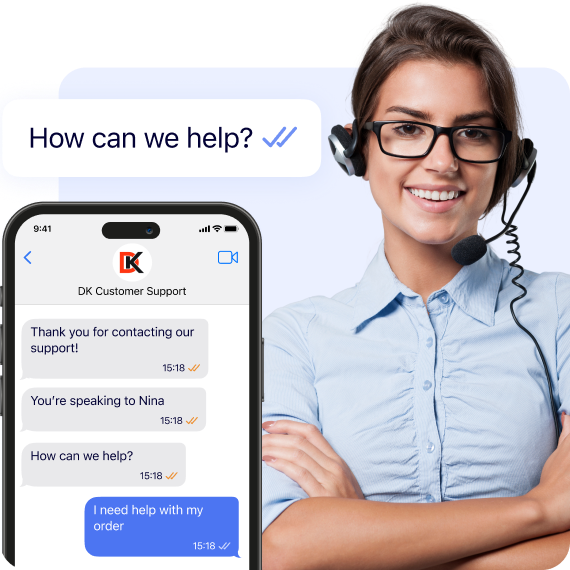
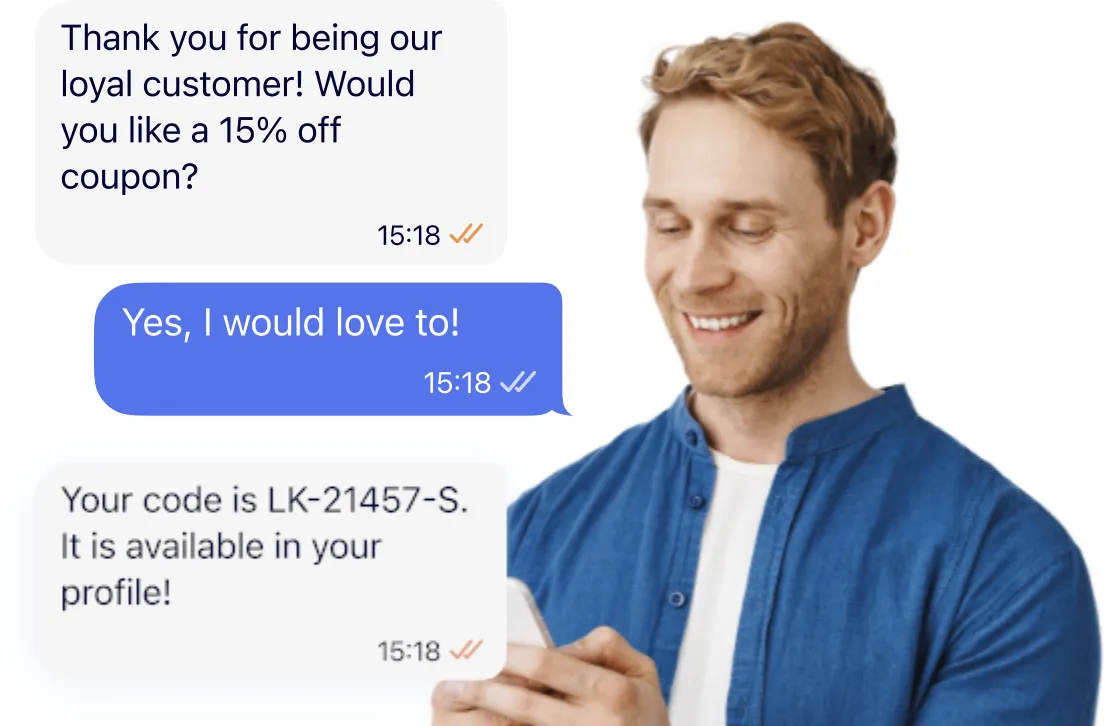
- Two-way messaging that allows users to confirm or dispute activity
- Rich messages that include context like merchant names, locations, or order details
Stopping Payment Fraud and Account Abuse in Ecommerce
An ecommerce platform sends real-time order and shipping change notifications via SMS or WhatsApp. If a fraudster reroutes a package or makes an unauthorized purchase, the customer can flag it immediately.
That speed allows the merchant to cancel fulfillment before inventory ships, reducing chargebacks and logistics costs.
Preventing Booking Fraud and Unauthorized Changes in Travel and Hospitality
In travel and hospitality, fraud often takes the form of unauthorized booking changes, loyalty point abuse, or last-minute cancellations and rebookings made using compromised accounts. Messaging alerts sent when reservations are modified, payment methods are updated, or loyalty balances are accessed create an immediate checkpoint for the guest.
By allowing customers to instantly confirm or dispute changes via SMS or WhatsApp, hotels, airlines, and travel platforms can stop fraud before stays are disrupted or revenue is lost to chargebacks and refunds.
Revenue impact
Reducing fraud dwell time lowers financial losses and operational waste. It also minimizes the costly investigations and manual remediation that follow undetected fraud.
3. Trusted, Verified Channels Reduce Social Engineering Success
Not all fraud attacks systems. Many attack people.
Phishing, impersonation, and social engineering rely on confusing customers about what communications are legitimate. Messaging platforms, when properly configured, provide authentication, consistency, and trust signals that make scams easier to spot.
How messaging builds trust
- Verified sender IDs and branded business profiles
- Consistent communication patterns customers learn to recognize
- Proactive education messages warning about current fraud tactics
Building Trust in Financial Services Communications
Banks using verified WhatsApp Business profiles can clearly differentiate legitimate alerts from scam messages. Customers learn that real messages never ask for full credentials, reducing successful phishing attempts.
Maintaining Player Trust During Account Activity
Gaming platforms can proactively notify users about fake promotions or impersonation scams circulating in the market. By communicating through trusted channels, platforms reduce the success rate of social engineering that targets high-value accounts.
Reinforcing Trust Throughout the Ecommerce Journey
Retailers can warn customers about fake delivery messages or refund scams, reinforcing which channels the brand actually uses. This reduces brand impersonation and protects customer trust.
Ensuring Trust Across Travel and Hospitality Experiences
When guests trust communications from airlines, hotels, and travel services, they are more confident managing bookings, payments, and loyalty accounts digitally. Trusted, verified messaging reduces social engineering attacks, lowers call-center volume, and protects brand reputation during high-stress moments like travel disruptions or last-minute changes.
Why Messaging Is a Revenue Protection Tool, Not Just a Security Feature
Messaging-based fraud defense does more than stop attacks. It supports growth by keeping experiences fast, familiar, and friction-light.
Customers are far more likely to complete transactions, adopt new services, and stay loyal when security feels seamless rather than obstructive. Messaging delivers that balance.
For businesses, the financial upside is clear:
- Fewer fraudulent losses and chargebacks
- Lower operational and support costs
- Higher customer trust and retention
- Reduced regulatory and compliance risk
How MessageWhiz Enables Fraud-Resilient Messaging at Scale
MessageWhiz empowers businesses to deploy fraud-defense messaging across SMS, WhatsApp, RCS, Viber, and email without sacrificing deliverability or performance.
With high-throughput infrastructure, real-time orchestration, and global reach, MessageWhiz ensures that critical OTP security messages arrive instantly, trigger two-way confirmation, and scale with demand.
Fraud prevention is ultimately about timing, trust, and reach. Messaging delivers all three.
Protect Revenue Where Fraud Actually Happens
Fraud doesn’t wait for audits or reviews. It happens in real time, at moments of action.
By embedding messaging into fraud defense strategies, businesses meet attackers where they operate, at the point of transaction, change, and decision. The result is faster detection, stronger prevention, and a better customer experience.
In a landscape where every failed transaction, chargeback, or churned customer impacts revenue, messaging is no longer optional. It is a frontline defense that protects both trust and growth.
Request a demo and see how MessageWhiz delivers secure, real-time messaging that protects revenue and builds customer trust.