












What Is a One-Time Password (OTP)?
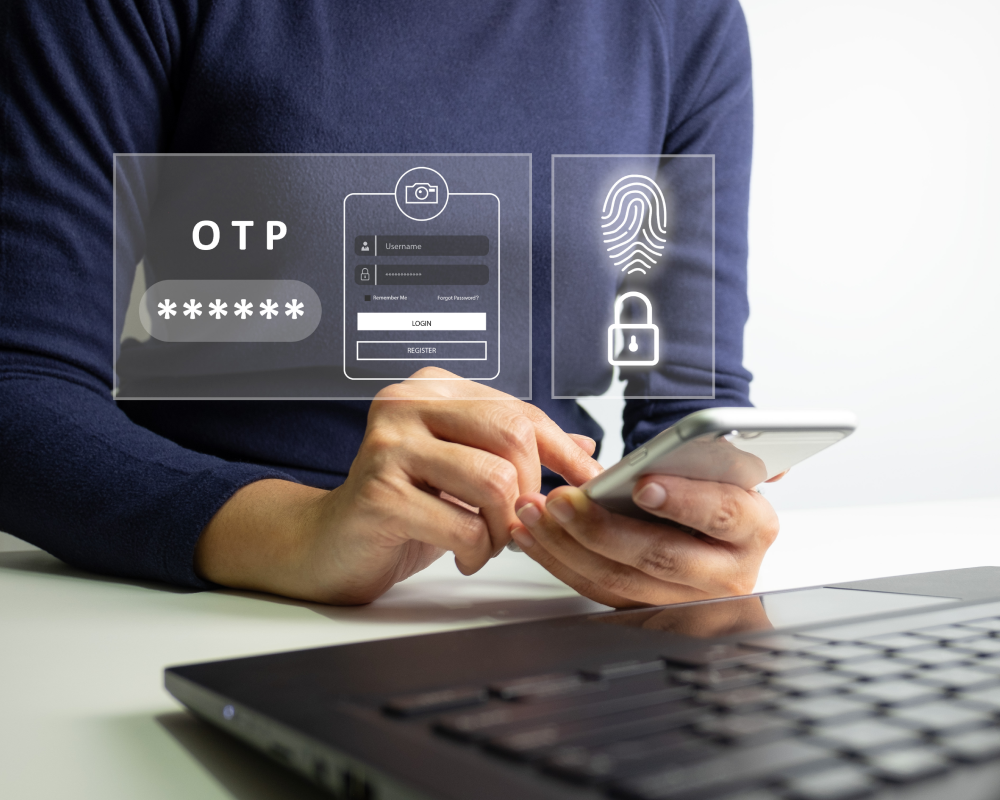
A one-time password (OTP) is a security feature used to authenticate a user with a unique code that is valid for a single session or transaction. Unlike static passwords, which remain the same until changed, an OTP changes with every login or transaction, providing an additional layer of security. OTPs are generated automatically and delivered to the user through various channels such as SMS, email, or authenticator apps, reducing the risk of credential theft from password reuse or interception.
The primary advantage of OTPs lies in their temporary nature. Even if a third party intercepts or discovers an OTP, it will become useless after a short period or once it has been used. This diminishes the effectiveness of phishing attacks, credential stuffing, and other common cyber threats. OTPs are now a core component of multi-factor authentication systems, protecting workflows in banking, government services, and numerous online platforms.
Core Principles of OTP Authentication
1. Single Use
Single-use is a defining feature of OTP authentication. Each generated password can only be used once, which limits the opportunity for attackers to exploit stolen or intercepted credentials. After a user successfully authenticates using an OTP, that specific code is invalidated and cannot be reused by either the original user or a malicious actor. This contrasts with traditional, static passwords, which remain valid until their owner changes them, making them more vulnerable if exposed.
2. Time- or Use-Limited Validity
OTP codes are typically created with a short validity window. This time-sensitive approach constrains the opportunity to exploit a code, as it must be used within seconds to a few minutes from issuance. For example, time-based one-time password (TOTP) algorithms usually generate codes that are valid for only 30–60 seconds, after which a new code replaces the old one.
3. Generated Rather Than Memorized by User
Unlike traditional passwords, OTPs do not need to be memorized by the user. Instead, these codes are generated by an authentication server or application at the moment they are required. This reduces human error and vulnerability associated with remembering complex passwords or reusing simple ones across multiple sites. Automated generation also makes OTPs unpredictable and difficult to guess.
How Are OTPs Generated?
Time-Based Generation Models (TOTP)
Time-based one-time password (TOTP) algorithms are among the most widely used OTP generation models today. TOTP leverages the current timestamp combined with a shared secret key to produce a unique code at fixed intervals, typically every 30 or 60 seconds. This approach means both client and server can independently generate the same OTP, provided their clocks are synchronized and they share the same secret.
TOTP’s reliance on time restricts the usability of each OTP to a brief period, minimizing risk if the code is intercepted. Modern authentication apps, like Google Authenticator or Microsoft Authenticator, use TOTP to display rolling codes to users. The requirement for time synchronization also implies a technical consideration: if clocks drift out of sync, legitimate codes might be rejected or valid ones might be vulnerable for longer.
Counter-Based Generation Models (HOTP)
Counter-based one-time password (HOTP) algorithms produce OTPs based on a shared key and an incrementing counter value instead of time. Each time a user requests an OTP, the counter is incremented both on the client and server. Only when both counters match will the provided OTP be correct, preventing code reuse even if there is a delay between generation and submission.
The HOTP model eliminates synchronization problems related to timestamps but introduces the challenge of counter management. If counters become unsynchronized due to repeated requests or dropped responses, additional resynchronization logic is needed. HOTP is often used in hardware tokens and some transaction systems because it remains reliable even if devices are offline.
Challenge-Response OTP Generation
Challenge–response systems use a dynamic input, called a “challenge,” from the server. The user’s client device or token then generates an OTP by combining the challenge value and a shared secret, typically passing both through a secure cryptographic function. The result is a code that is valid only in response to that specific challenge.
This mechanism increases security by tying each OTP to a particular event or transaction. It can handle multifaceted scenarios such as transaction signing or multi-use authentication, where verification requires more than just the static or time-based factors. Challenge–response schemes are common in high-assurance environments like banking.
Hash-Chain-Based OTP Schemes
Hash-chain-based OTPs derive authentication codes by applying a cryptographic hash function recursively to a secret seed value, creating a chain of codes in advance. Each code is used once and then discarded, with the system verifying each OTP by comparing it to the expected value in the hash sequence. This sequential mechanism prevents code reuse and enables offline authentication.
The hash chain approach is robust against several forms of attack because previous hash outputs cannot be computed backward from future values. While more complex to implement, hash chains are often favored in scenarios where limited connectivity or offline authentication must be supported, such as hardware tokens and some enterprise security systems.
Key Delivery Channels for OTP Distribution
Here are the most common ways OTPs are delivered to users.
SMS-Delivered One-Time Codes
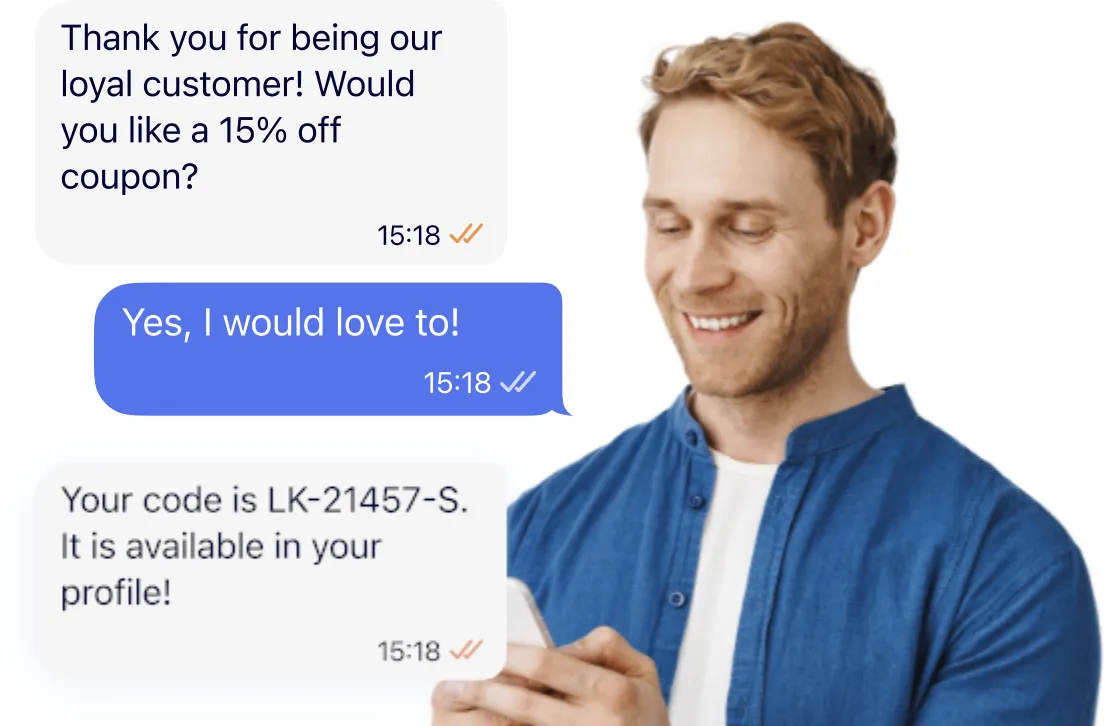
SMS continues to be a common method for delivering OTPs due to its near-universal reach and simplicity for end users. Mobile phones serve as ubiquitous receivers, allowing service providers to send codes to users almost instantly. This makes SMS-based OTPs attractive for scenarios requiring broad accessibility, such as online banking, new account registrations, and password resets.
Voice-Call OTP Delivery
OTPs can also be delivered via automated voice calls, where the system phones the user and verbally relays the code. This approach is helpful for users who do not have reliable internet or SMS access, or for those who face accessibility barriers with text-based verification methods. Voice calls can broadcast OTPs in multiple languages for global or diverse user bases.
While effective for users with basic phones or limited literacy, voice OTPs introduce their own security and usability limitations. Robocall blocking, voicemail interception, and delays in call connection can hamper timely OTP delivery or allow adversaries access to the code via voicemail.
Push-Based OTP Notifications
Push-based OTP delivery leverages mobile apps with push notification capabilities to send OTP prompts directly to the user’s device. This approach is favored for its security, as the message is encrypted and delivered through secure app infrastructure rather than broadly exposed telecommunications networks. Users simply tap a prompt or enter a displayed code, streamlining the authentication flow.
Push notifications also support contextual information to help users detect suspicious activity or provide one-tap approval for logins and transactions. However, reliance on internet connectivity and app installation can exclude users without smartphones or those in regions with unstable network coverage.
Email OTP
Email-based OTP delivery remains popular for applications with broad audiences, as most users have ready access to a functioning email address. Sending OTPs through email allows for flexible message formatting, branding, and additional security instructions. This channel is frequently used for password recovery, account verification, and low-stakes authentication scenarios.
Security for email OTPs is generally weaker compared to app-based or even SMS channels, as email accounts themselves are frequent targets for credential theft and phishing. Delays caused by spam filtering or slow email delivery can also erode the user experience.
WhatsApp OTP
Many organizations use WhatsApp to deliver OTPs, capitalizing on its widespread global adoption, particularly in emerging markets. WhatsApp messages are protected by end-to-end encryption, providing a measure of confidentiality during OTP transmission. Additionally, users typically have WhatsApp installed and actively monitored on their phones, reducing the risk of missed messages.
Despite encryption benefits, WhatsApp OTPs still carry risks related to account hijacking and device theft. If an attacker gains access to a user’s WhatsApp account, intercepting OTPs becomes trivial. Service providers leveraging WhatsApp for OTP delivery need to implement additional security measures and user education to mitigate common risks associated with messaging app-based authentication.
Telegram OTP
Telegram, another popular messaging platform, offers both security and rapid delivery for OTP codes. Telegram messages are cloud-based but can be end-to-end encrypted through “Secret Chats,” and the app enjoys broad usage, particularly in privacy-focused communities. Organizations use Telegram to send OTPs for app logins, multi-factor authentication, and sensitive transactions.
Telegram shares similar threat vectors with other messaging apps, such as device compromise and account takeovers. As with WhatsApp, the suitability of Telegram for OTP transmission depends on user profile and risk tolerance. For tech-savvy users already embedded in the Telegram ecosystem, it provides a frictionless authentication experience.
Top OTP Use Cases
1. Authentication for Software Applications
Software platforms frequently integrate OTPs to verify user identity during login, device registration, or access to high-privilege functions. OTPs are especially valuable in cloud services, developer tools, or collaboration platforms where shared environments require stringent access control. By prompting for an OTP during sensitive actions, such as deploying code, modifying access permissions, or connecting new APIs, applications can prevent unauthorized use even if primary credentials are compromised.
2. Protecting Sensitive Personal Information
OTPs are commonly used to secure access to sensitive personal data, whether in healthcare, legal services, or corporate HR applications. Before displaying or allowing changes to key personal records, systems can require OTP entry to confirm the user’s identity. This protects information even if passwords or session credentials have been compromised.
3. Banking and Payment Card Activation
The banking sector prominently employs OTPs to authenticate transactions, access to online services, and card activation processes. OTPs serve as a defense against unauthorized account access and help fulfill regulatory requirements for strong customer authentication (SCA). When users initiate high-risk activities, such as adding a new beneficiary or activating a payment card, the system requests an OTP to verify the user’s identity.
4. Government and Public-Service Access
Many government digital platforms leverage OTPs to authenticate citizens accessing services like tax filing, healthcare records, or voting systems. By issuing OTPs to pre-registered mobile phones or emails, governments provide a secure, scalable alternative to in-person identity checks. This reduces queue times and helps prevent impersonation and unauthorized data access.
5. Monitoring High-Risk or Out-of-Pattern Activity
Organizations use OTP verification to flag and confirm high-risk actions or atypical account activity. Examples include first-time device logins, password changes, or large money transfers. In these cases, the platform automatically triggers an OTP prompt to ensure that the account owner, not an intruder, is executing the action.
Related content: Read our guide to OTP services (coming soon)
Pros and Cons of OTP Authentication Services
OTP authentication offers a balance between security and usability, but it is not without trade-offs. Below are the main advantages and disadvantages of implementing OTP systems.
Pros:
- Increased security: OTPs mitigate risks associated with password reuse, phishing, and credential stuffing, as each code is valid for a single use or a limited time.
- No need to remember passwords: Users don’t have to memorize complex credentials, reducing the likelihood of poor password practices.
- Flexible delivery options: OTPs can be distributed through multiple channels (SMS, email, voice, push, or messaging apps) providing adaptability across use cases and user bases.
- Compatibility with multi-factor authentication (MFA): OTPs are easily integrated as the second factor in MFA systems, increasing defense against unauthorized access.
- Event-specific protection: OTPs can be tied to specific transactions or actions, limiting the scope of potential misuse even if intercepted.
Cons:
- Delivery vulnerabilities: Channels like SMS and email might be subject to phishing or spoofing attacks, requiring vigilance by users and organizations.
- Reliance on external systems: Delivery requires third-party infrastructure (telecom, email, push services), which may be unreliable or targeted by attackers.
- User inconvenience: OTP systems introduce an additional step in the login or transaction process, which can frustrate users or cause friction in time-sensitive workflows.
- Device dependency: OTPs often depend on access to a specific device (e.g., phone, authenticator app), which can be lost, stolen, or unavailable.
- Clock or counter synchronization issues: Time-based and counter-based OTP methods require synchronization; desynchronization can lead to user lockouts or authentication failures.
Best Practices for Implementing and Managing OTP Systems
1. Selecting Secure and Reliable Delivery Channels
Selecting the right delivery channels is fundamental to maintaining OTP security and usability. Organizations should assess context, user demographics, and channel threat models when choosing among SMS, apps, email, or messaging platforms. Secure channels like dedicated authenticator apps or push notifications are ideal for high-risk use cases, while fallback channels such as voice or SMS serve users without smartphones or reliable connectivity.
Deliverability, latency, and resilience against interception should be evaluated before deployment. Organizations should regularly review the threat landscape—such as new SIM swap techniques or email phishing trends—and fine-tune policies for when different channels are available. Considering geographic differences and regulatory expectations further ensures that the selected channels adequately protect user authentication flows.
Learn more in our detailed guide to SMS OTP (coming soon)
2. Setting Appropriate OTP Expiration Windows
Establishing short and consistent OTP validity windows is essential to limit attack opportunities if a code is intercepted or guessed. Time-based OTPs usually expire in 30–60 seconds, while event-driven OTPs should become invalid immediately after use or after a brief timeout. Expiry times should balance security with realistic user needs, accounting for network delays or accessibility requirements.
Providers must communicate expiration policies clearly in OTP messages to avoid user confusion and minimize support costs from expired code complaints. Adjustable expiration for specific user groups or scenarios—such as longer windows for regions with slow delivery—can further optimize the experience without weakening standards elsewhere.
3. Minimizing User Friction While Maintaining Security
Usability is crucial for OTP adoption. Systems should minimize steps and avoid complex instructions or input formats. For example, providing one-tap approval via push notification, or auto-filling OTP fields in well-designed mobile apps, reduces barriers for users. Where manual entry is required, using short numeric codes, rather than complex alphanumeric strings, improves speed and accuracy.
Balance is key: excessive friction can drive users away or prompt dangerous workarounds, while lax security opens avenues for attacks. Regular usability testing, user segmentation, and fallback procedures ensure vulnerable users or those with accessibility needs are not left behind. Context-aware policies, such as only requesting OTPs for unusual actions, maintain security without overwhelming the typical user at every login.
4. Preventing OTP Reuse and Enforcing Strong Rate Limits
Strong controls against OTP reuse are non-negotiable for secure authentication. Backend systems should immediately invalidate codes after use, ensuring each OTP is single-use by design. Implementing robust rate limits on both OTP generation and entry attempts thwarts brute-force attacks and helps control abuse, such as attackers spamming requests to exhaust a victim or generate predictable OTPs.
Effective rate limiting policies monitor not just the number of OTP requests, but also failed input attempts over a defined period. Combining technical enforcement with real-time alerts and user-facing lockout messaging closes gaps attackers might exploit. System logs should be monitored for anomalous patterns, supporting rapid intervention when rate limit rules are triggered.
5. Ensuring Accessibility and Inclusivity for All User Groups
OTP delivery and input must accommodate users with disabilities, those without internet-enabled devices, or people in different linguistic or cultural contexts. This can mean supporting voice-based OTP delivery for visually impaired users, providing multi-language messages, or designing app interfaces that comply with accessibility standards like WCAG. Inclusive design reduces support costs and regulatory risk while extending the security benefits of OTP to broader populations.
Testing OTP workflows with real users across various demographics and device types helps identify friction or failure points. Organizations should offer multiple authentication options and clear backup channels to prevent lockouts. Ongoing feedback mechanisms and support channels allow for iterative improvements, ensuring that inclusivity is not a secondary concern but a foundational aspect of OTP security strategy.
Generating and Delivering OTP with MessageWhiz
For businesses looking to secure user authentication without building OTP infrastructure from scratch, MessageWhiz offers a powerful platform to generate and deliver one-time passwords across multiple channels with speed, scale, and reliability. As a cloud-based communication platform (CPaaS), MessageWhiz supports OTP delivery via SMS, voice, email, WhatsApp, and other popular messaging apps, making it easy to implement secure verification for logins, transactions, and high-risk actions.
How MessageWhiz Handles OTP Generation
MessageWhiz provides flexible options for generating and managing one-time passwords:
- Built-in OTP Generation: You can leverage MessageWhiz’s secure API to automatically generate OTP codes server-side and send them to users via the channel you choose, ideal for multi-factor authentication workflows.
- Custom OTP Support: If you prefer to generate your own codes, MessageWhiz also supports sending verification codes created on your system through its messaging infrastructure.
- API-First Integration: Developers can integrate OTP workflows into apps or services using MessageWhiz’s RESTful API, enabling streamlined automation and error-resilient delivery logic without reinventing core authentication processes. MessageWhiz
Delivery Across Multiple Channels
One of MessageWhiz’s strengths is its support for diverse delivery paths. Depending on your user base and security requirements, you can send OTPs via:
- SMS: Fast and ubiquitous text messages ensure broad accessibility for users worldwide.
- Voice Calls: Ideal for users without SMS support or those who benefit from spoken codes.
- Email and Chat Apps: For users on platforms like WhatsApp, Telegram, or other integrated messaging apps, MessageWhiz delivers OTPs reliably through encrypted or direct channels.
- Omnichannel Reach: Because MessageWhiz is built to handle communications across dozens of domestic and international networks, OTPs reach users quickly even across borders.
Security, Speed, and Reliability
MessageWhiz’s OTP delivery prioritizes both security and performance:
- Optimized Routing: A real-time routing engine helps ensure OTPs are delivered quickly and with high reliability, reducing latency that can frustrate users during time-sensitive authentication.
- Encrypted Messaging: Many MessageWhiz channels, including SMS delivered through secure infrastructure, protect OTPs against interception and tampering, adding a layer of defense against fraud and spoofing.
- Compliance and Scalability: Whether for banking, healthcare, eCommerce, or government services, MessageWhiz can help you meet regulatory requirements for strong customer authentication while scaling to handle high OTP volumes without performance degradation.
Use Cases and Benefits
Integrating MessageWhiz for OTP delivery enhances standard authentication flows by:
- Reducing development overhead with a ready-to-use API and template-based messaging.
- Delivering OTPs over the channel your users already engage with most.
- Supporting global OTP delivery with robust analytics and performance monitoring.
By combining secure OTP generation with flexible delivery and advanced messaging infrastructure, MessageWhiz helps businesses strengthen user authentication while maintaining a seamless user experience.