









What Is WhatsApp Marketing?
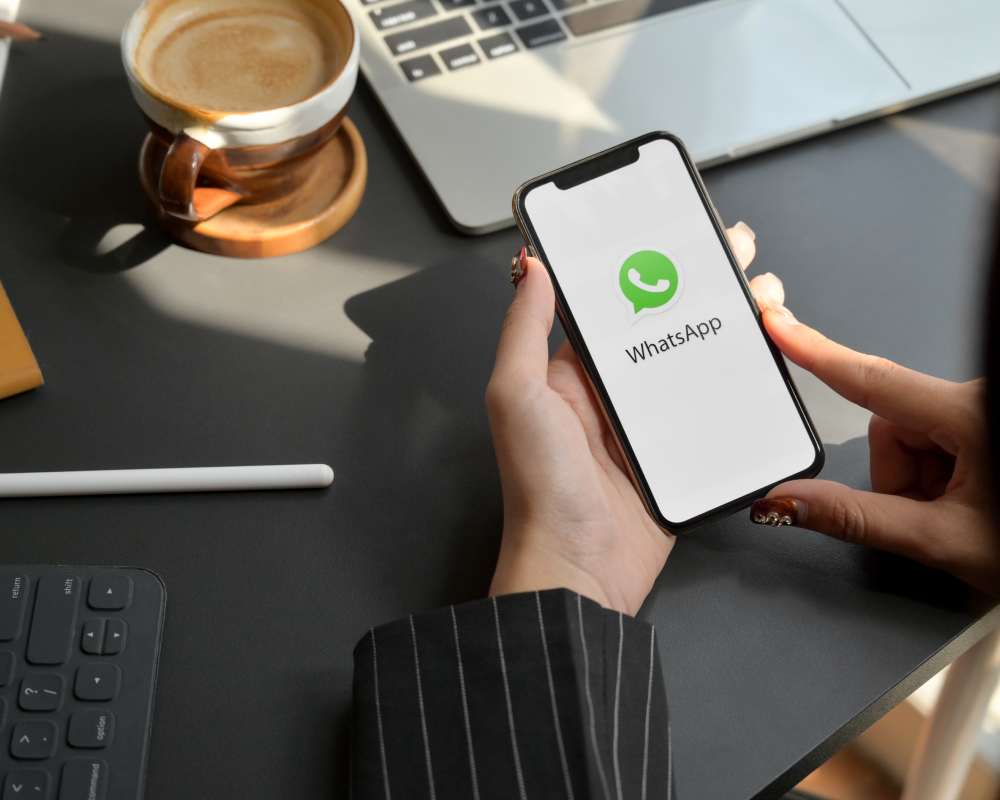
WhatsApp marketing uses the WhatsApp Business Platform to send personalized, opted-in messages, promotions, and updates directly to customers, boasting up to 98% open rates. It facilitates two-way, conversational engagement via rich media like images, videos, and buttons to increase sales and brand loyalty.
Unlike traditional marketing channels, WhatsApp enables brands to interact with users in a private, direct, and real-time manner. Businesses can use WhatsApp Business API or WhatsApp Business app to automate, sort, and quickly respond to customer messages, streamlining their communication processes.
WhatsApp marketing is highly effective for nurturing leads, driving conversions, and supporting customer retention through personalized and timely communication. By integrating WhatsApp into their marketing strategy, brands can offer a seamless and conversational customer experience that stands out from more traditional, one-way channels.
This is part of a series of articles about WhatsApp for business
When Is WhatsApp Marketing Most Powerful? Key Use Cases
WhatsApp marketing is most effective when businesses need direct, timely communication that encourages immediate action. Because messages arrive in a personal chat environment and support rich media, brands can deliver updates, reminders, and offers that feel conversational rather than promotional. This makes WhatsApp particularly powerful across the customer lifecycle, from lead generation to post-purchase support.
Common use cases include:
- Lead nurturing and qualification: Businesses can follow up with new leads using automated welcome messages, product information, or quick questions to qualify interest. This helps move prospects through the funnel faster.
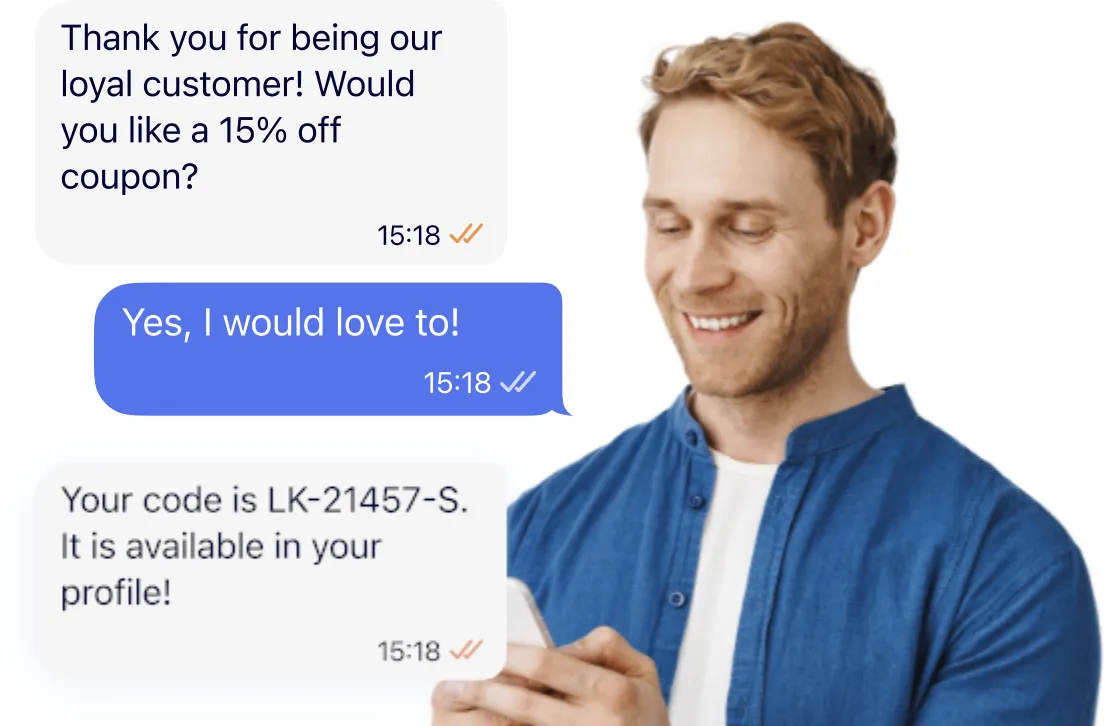
- Promotions and flash sales: Brands can send time-sensitive offers, discount codes, or limited-stock alerts directly to opted-in users. The high open rate makes WhatsApp ideal for promotions that require immediate visibility.
- Order confirmations and delivery updates: E-commerce companies often use WhatsApp to send order confirmations, shipping notifications, and delivery tracking links. These updates reduce customer uncertainty and support requests.
- Appointment reminders: Service businesses such as clinics, salons, and consultants can send automated reminders with buttons to confirm or reschedule appointments. This helps reduce no-shows.
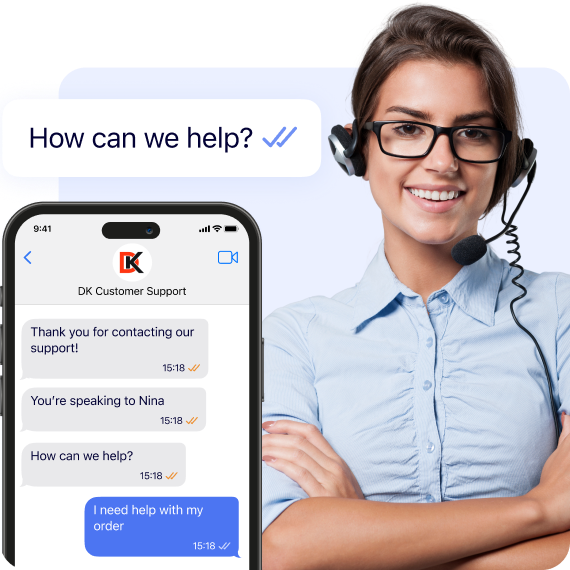
- Customer support and FAQs: Businesses can provide fast, conversational support through chatbots or live agents. Automated responses can handle common questions while complex issues escalate to human agents.
- Product recommendations and upselling: Based on previous purchases or browsing behavior, businesses can send personalized product suggestions, bundles, or restock reminders to encourage repeat purchases.
- Event notifications and registrations: Companies can promote webinars, workshops, or in-store events using WhatsApp messages with registration links, reminders, and follow-up materials.
- Customer feedback and surveys: After a purchase or interaction, businesses can request quick feedback through short surveys or rating buttons. This helps gather insights and improve customer experience.
What Does the Standard WhatsApp Business Platform Provide?
The WhatsApp Business Platform provides a set of APIs that allow companies to communicate with customers through WhatsApp at scale. Businesses can build messaging workflows that support marketing, sales, and customer service through direct two-way conversations. Because customers already use WhatsApp for everyday communication, the platform allows companies to reach users in a familiar messaging environment.
Core capabilities include:
- Notifications and updates: Businesses can automatically deliver messages such as order confirmations, shipping notifications, appointment reminders, or other important alerts. These notifications keep customers informed and reduce uncertainty after purchases or bookings.
- Promotional engagement: Companies can send personalized promotions to encourage upsells, cross-sells, or re-engagement after events such as cart abandonment. Messaging can be tailored to specific customers so offers remain relevant.
- Conversational commerce: Businesses can create experiences where customers browse products, ask questions, and place orders directly within the WhatsApp chat interface. Interactive elements such as product lists, call-to-action buttons, and media help guide customers through the buying process.
- Customer support and service automation: Companies can deploy automated conversational flows to handle high volumes of incoming support requests. When automation cannot resolve an issue, conversations can be routed to live agents. The system can also connect with backend tools such as CRM or marketing platforms.
- Verification and account security: Businesses can send one-time passwords or multi-factor authentication messages to verify users and protect accounts.
Together, these capabilities enable companies to use WhatsApp for notifications, marketing, commerce, customer support, and secure account verification through a single messaging platform.
Do You Need a Specialized WhatsApp Marketing Platform?
While the WhatsApp Business Platform provides core messaging APIs, many businesses use specialized marketing platforms to manage messaging at scale and coordinate communication across multiple channels. These platforms typically support:
- Omnichannel messaging: They allow businesses to communicate through channels such as WhatsApp, SMS, email, voice, or other messaging apps from a single system. This helps teams manage customer conversations and campaigns without switching between different tools.
- Automation capabilities: They trigger messages based on customer actions or system events. For example, messages can be sent automatically during onboarding, after a transaction, or when a user performs a specific action. Automation helps maintain consistent communication without requiring manual intervention.
- Advanced analytics and performance monitoring: Specialized platforms track delivery rates, engagement metrics, and customer behavior across campaigns. This data allows businesses to understand message performance, optimize campaigns, and measure return on investment.
- Routing and delivery optimization features: Many platforms also include features designed to improve message reliability and maintain consistent delivery across regions and communication channels.
- Integration and customization options: Messaging platforms can connect with CRM systems, marketing tools, and internal software so customer data flows directly into messaging workflows. This enables more personalized communication and flexible campaign management.
For companies that need high message volumes, automation, analytics, and multi-channel coordination, a specialized messaging platform can provide the infrastructure required to manage large-scale customer communication efficiently.
Key Features Provided by WhatsApp Marketing Tools
Bulk Messaging at Scale
WhatsApp marketing tools allow businesses to send bulk messages to large audiences quickly. Through the WhatsApp Business API, companies can deliver thousands of notifications such as promotions, service alerts, reminders, and account updates. These messages are typically sent using pre-approved templates to comply with WhatsApp policies.
Bulk messaging helps businesses communicate important updates instantly while maintaining high deliverability. It is commonly used for promotional campaigns, delivery notifications, appointment reminders, and customer re-engagement messages.
Interactive Message Formats
A major feature of WhatsApp marketing platforms is support for interactive messages. These messages include elements such as quick reply buttons, call-to-action buttons, list messages, and product messages.
Interactive formats make it easier for customers to respond without typing long messages. For example, a user can select a product, confirm an action, or navigate a menu directly within the chat. This reduces friction and helps guide users through a structured customer journey.
API-Based Triggered Messaging
Most WhatsApp marketing tools connect directly to the WhatsApp Business API. This allows businesses to trigger messages automatically from their internal systems. For example, a message can be sent when an order is placed, a password reset is requested, or a shipment status changes.
API integration enables real-time communication based on user actions or system events. This automation helps companies send relevant notifications exactly when customers expect them.
Delivery Tracking and Engagement Monitoring
WhatsApp marketing platforms typically include analytics and monitoring tools. Businesses can track message delivery status, customer responses, and overall engagement.
Real-time tracking helps teams understand how campaigns perform and whether messages reach recipients successfully. These insights allow marketers to adjust campaigns, improve message timing, and optimize communication strategies.
Omnichannel Messaging Integration
Many WhatsApp marketing tools support omnichannel communication. This means WhatsApp can be combined with other messaging channels such as SMS, email, Viber, or RCS within the same platform.
By coordinating multiple channels, businesses can create consistent customer experiences across different touchpoints. Messages can be triggered on the most appropriate channel depending on the situation or user preference.
Automated Conversations and Chatbots
Automation is another important capability of WhatsApp marketing platforms. Businesses can deploy chatbots that respond to common questions or guide customers through self-service processes.
Automated conversations allow companies to provide support around the clock without requiring a human agent for every interaction. When necessary, more complex issues can still be transferred to a live support representative.
Compliance and Reliable Message Delivery
WhatsApp marketing tools are designed to comply with WhatsApp’s messaging policies and business verification requirements. Messages are often sent through approved templates to ensure they follow platform guidelines.
In addition, enterprise messaging infrastructure helps maintain consistent and reliable delivery. This ensures that notifications, alerts, and customer communications reach recipients quickly across global markets.
WhatsApp Marketing vs. Other Channels
WhatsApp Marketing vs. SMS Marketing
WhatsApp provides more communication options than traditional SMS marketing. While SMS is limited to plain text and basic links, WhatsApp supports multimedia formats, interactive buttons, and personalized templates. This allows brands to include product images, videos, and direct call to action buttons. The platform also supports two-way conversations, making it easier for customers to respond.
WhatsApp messages are less likely to be filtered as spam, and end-to-end encryption supports secure communication. SMS often faces lower deliverability and engagement due to spam filters and user skepticism. WhatsApp can generate higher open and response rates, which can improve campaign results.
WhatsApp Marketing vs. Email Marketing
Email marketing is often crowded and subject to spam filters, which can reduce open and engagement rates. In contrast, WhatsApp messages are delivered directly to users’ phones with high visibility. The conversational format encourages faster responses and a direct connection between brand and customer. This makes WhatsApp suitable for time-sensitive promotions, reminders, and support.
WhatsApp supports media and interactive features that are not always as effective in email. While email remains useful for long-form content and newsletters, WhatsApp works well for concise, personalized messages that prompt action. Automation and personalization also support performance compared to traditional email marketing.
WhatsApp Marketing vs. Messenger Marketing
Messenger marketing, such as through Facebook Messenger, shares similarities with WhatsApp marketing in conversational engagement and automation. However, WhatsApp’s large user base and cross-platform accessibility provide broader reach, especially in regions where Messenger is less common. WhatsApp’s focus on privacy appeals to users who are cautious about sharing information on social platforms.
User perception and context also differ. WhatsApp is often used for personal communication and seen as a private space, which can make users more receptive to brand messages when permission is granted. Messenger, tied to Facebook, may be viewed as more public by some users. This can influence engagement and campaign performance.
7 Tips for a Successful WhatsApp Marketing Strategy
1. Build Explicit, High-Intent Opt-Ins With Expectations
WhatsApp marketing requires explicit user consent before sending messages. Unlike email lists or website notifications, WhatsApp policies require businesses to obtain clear opt-ins that indicate a user agrees to receive messages from a specific brand. These permissions help ensure compliance with platform rules and prevent negative user reactions such as blocks or spam reports. Setting expectations at the opt-in stage also improves engagement because users understand what types of messages they will receive and how frequently they will arrive.
Practical steps:
- Add opt-in checkboxes to signup forms, checkout pages, and lead generation forms.
- Use double opt-in confirmation messages to verify user consent.
- Clearly describe the type of messages users will receive (promotions, updates, reminders).
- Specify expected message frequency during signup.
- Provide clear instructions for opting out during the opt-in process.
- Store opt-in timestamps and sources in your CRM for compliance tracking.
2. Segment and Throttle to Protect Number Quality
WhatsApp assigns a quality rating to each business phone number based on user responses such as replies, blocks, and reports. Sending large message volumes to unsegmented audiences can lead to low engagement or complaints, which can reduce deliverability or restrict messaging tiers. Segmenting contacts and gradually increasing message volume helps maintain healthy sender reputation and stable delivery performance.
Practical steps:
- Segment contacts based on lifecycle stage, purchase history, or engagement level.
- Separate new subscribers, active customers, and dormant users into different segments.
- Start campaigns with smaller batches before scaling volume.
- Stager message delivery to avoid sudden spikes in sending activity.
- Run A/B tests on smaller segments before full campaign rollout.
- Monitor block rates and complaint signals after each campaign.
3. Personalize With First-Party Data and Dynamic Content
Personalized WhatsApp messages use first-party customer data to tailor content to each recipient. CRM systems and behavioral analytics provide attributes such as purchase history, browsing activity, or location. These attributes can populate dynamic template variables so messages remain structured while adapting to each user. Personalization makes campaigns more relevant and increases the likelihood of responses or conversions.
Practical steps:
- Sync CRM data with your WhatsApp messaging platform.
- Use template variables for fields such as name, product, or order information.
- Trigger automated messages based on events such as purchases or product views.
- Send restock alerts for previously viewed or purchased items.
- Use purchase history to generate cross-sell or upsell recommendations.
- Build dynamic templates that reuse the same structure across campaigns.
4. Send by User Time Zone and Recency Signals
Message timing influences open and response rates on WhatsApp. Sending messages when users are active increases the probability that notifications will be seen and acted upon. Time zone data ensures messages arrive during appropriate hours, while recency signals such as recent purchases or app activity help determine the best moment to initiate communication.
Practical steps:
- Store user time zone data in your CRM or marketing platform.
- Schedule campaigns to align with local business hours.
- Avoid sending messages late at night unless the message is time-sensitive.
- Trigger outreach shortly after key actions such as purchases or signups.
- Prioritize active users for promotions and announcements.
- Create re-engagement campaigns for users who have been inactive.
5. Provide One-Tap Opt-Out and Honor It Instantly
WhatsApp marketing must include a simple and immediate opt-out process. Users should be able to stop receiving messages without friction. If opt-out requests are ignored or delayed, users may block the number or report it, which negatively affects message quality ratings. A clear opt-out mechanism ensures compliance with messaging policies and maintains a healthy contact list.
Practical steps:
- Include an opt-out instruction such as “Reply STOP to unsubscribe.”
- Provide quick reply buttons for unsubscribing when possible.
- Automatically detect and process opt-out keywords.
- Immediately remove unsubscribed users from campaign lists.
- Log opt-out events in CRM systems for compliance records.
- Confirm successful unsubscription with a final acknowledgment message.
6. Monitor Template Metrics and Iterate Monthly
WhatsApp template messages generate performance data such as delivery rates, read receipts, responses, and quality ratings. Regular analysis of these metrics helps identify templates that cause user complaints or low engagement. Adjusting message structure, wording, or targeting can improve results over time. Reviewing metrics on a regular schedule ensures campaigns remain aligned with user expectations and platform guidelines.
Practical steps:
- Track delivery, read, and response rates for each message template.
- Monitor quality rating changes after large campaigns.
- Identify templates with high block or opt-out rates.
- Test variations of underperforming templates.
- Compare performance across audience segments.
- Review template performance metrics on a monthly basis.
7. Log Deliveries, Replies, Opt-Outs, and Revenue
Tracking WhatsApp campaign interactions provides visibility into performance and customer behavior. Logging events such as message deliveries, replies, and opt-outs helps marketers measure engagement and maintain compliance records. When integrated with CRM and analytics systems, these records can also connect messaging activity with sales or revenue outcomes.
Practical steps:
- Log message delivery and read events in your analytics platform.
- Track replies and conversation outcomes.
- Record opt-outs and update contact status automatically.
- Integrate WhatsApp messaging data with CRM systems.
- Attribute purchases or conversions to specific campaigns.
- Use interaction data to refine segmentation and targeting.
Supercharge WhatsApp Marketing with MessageWhiz
WhatsApp is powerful on its own. But real performance comes when it operates as part of a connected, omnichannel strategy.
MessageWhiz integrates WhatsApp marketing directly into a broader messaging infrastructure that includes SMS, RCS, email, voice, Viber, and more. Instead of managing WhatsApp in isolation, businesses can coordinate messaging across channels from a single platform, ensuring every message is delivered on the channel most likely to drive engagement.
Turn WhatsApp Into Part of an Omnichannel Engine
With MessageWhiz, WhatsApp becomes one piece of a unified communication strategy:
- Orchestrated messaging journeys: Trigger WhatsApp messages alongside SMS, email, or other channels based on customer behavior and preferences
- Channel optimization: Automatically route messages to the best-performing channel for each user
- Consistent customer experience: Maintain message continuity across channels without siloed tools
This approach transforms WhatsApp from a standalone channel into a high-performing part of a larger revenue-driving system.
Connect WhatsApp Directly to Your CRM
MessageWhiz is built as API-first infrastructure, making it easy to integrate WhatsApp into existing business systems:
- Native CRM integration: Sync customer data, events, and triggers directly from platforms like Optimove, Zoho CRM, Oracle Responsys, and more
- Real-time automation: Send WhatsApp messages based on live customer actions such as purchases, signups, or support requests
- Personalized messaging at scale: Use CRM data to dynamically tailor WhatsApp marketing messages for each user
By connecting WhatsApp directly to your CRM, every message becomes more relevant, timely, and effective.
Built for Scale, Performance, and Reliability
MessageWhiz provides the infrastructure required to run WhatsApp marketing at scale:
- High deliverability and global reach
- API-driven messaging workflows
- Advanced routing and failover across channels
- Centralized analytics across all messaging activity
For businesses that rely on messaging to drive engagement and revenue, this ensures WhatsApp campaigns are not just sent, but optimized for performance.
WhatsApp marketing works best when it is not treated as a standalone tool. MessageWhiz turns WhatsApp into part of a fully integrated, omnichannel communication platform that connects directly to your CRM and scales with your business.