











Quick Summary
Bulk SMS for business allows organizations to send large volumes of text messages to customers simultaneously through an SMS messaging platform. Businesses use bulk SMS to deliver alerts, marketing promotions, appointment reminders, and more.
What Is Bulk SMS?
Bulk SMS is a messaging service that allows businesses to send a single text message to large groups of recipients at the same time.
Organizations typically send bulk SMS messages through specialized messaging platforms that connect directly to telecom networks and manage message delivery at scale.
Businesses use bulk SMS for a wide range of communications, including:
- Promotional campaigns
- Service notifications
- Appointment reminders
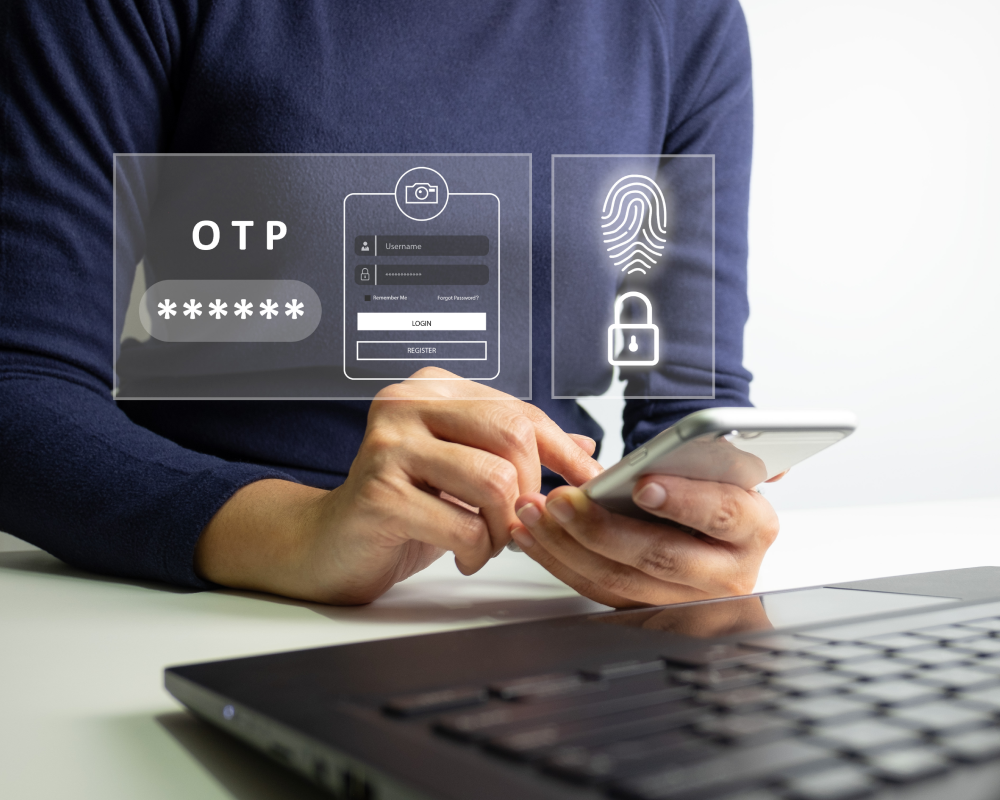
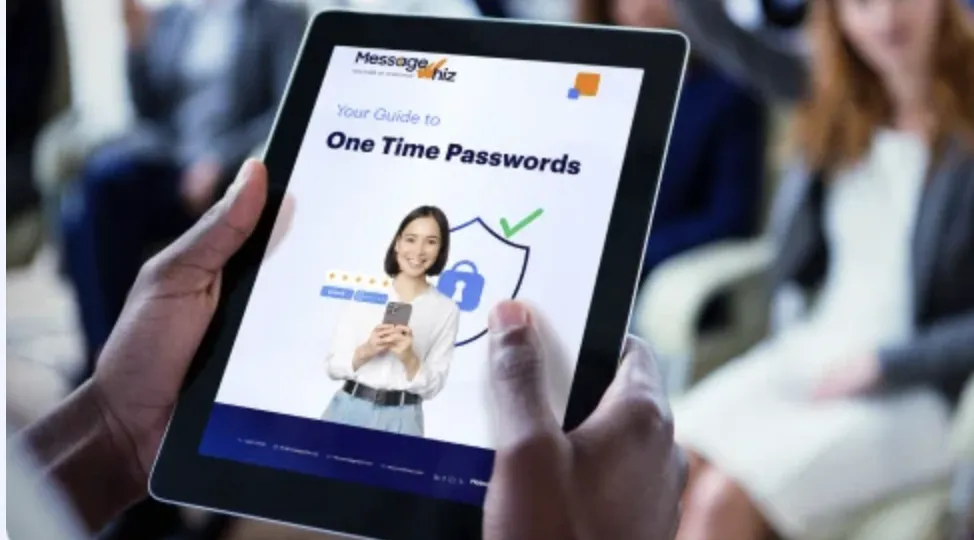
- One-time passwords and security alerts
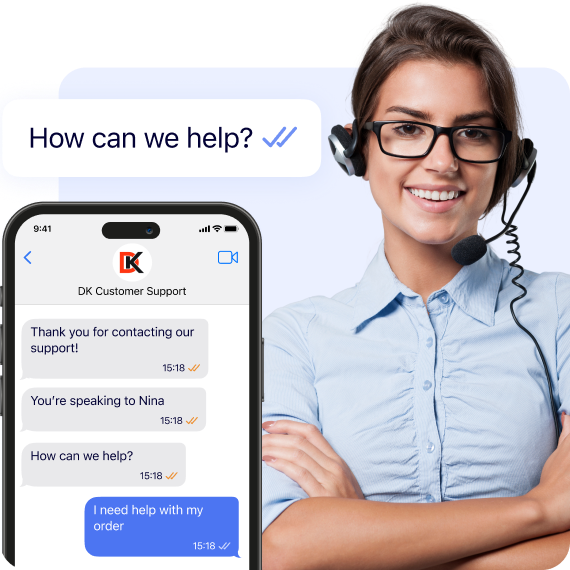
- Customer support updates
Unlike consumer messaging apps, bulk SMS platforms are designed to support high-volume messaging, automation, contact management, and campaign tracking.
Why do Businesses Use Bulk SMS?
Businesses rely on SMS because it offers a combination of speed, reach, and reliability that few communication channels can match.
Bulk SMS programs allow organizations to deliver important messages instantly to large audiences while maintaining high visibility and engagement.
Key advantages include:
- High open rates: SMS messages are typically opened within minutes of delivery, making them highly effective for time-sensitive communication.
- Direct customer reach: SMS works on nearly every mobile device without requiring a mobile app or internet connection.
- Immediate delivery: Messages are delivered almost instantly through telecom networks.
- High engagement: Customers are more likely to read and respond to text messages than email campaigns.
- Automation capabilities: SMS campaigns can be triggered automatically based on customer behavior, transactions, or scheduled events.
Because of these advantages, SMS has become one of the most widely used communication channels for customer engagement.
What Are the Benefits of Bulk SMS for Business?
Bulk SMS helps businesses improve customer communication, marketing performance, and operational efficiency.
- Faster Customer Communication
SMS allows businesses to communicate with customers instantly, making it ideal for urgent updates such as service disruptions, delivery alerts, or account notifications.
- Increased Customer Engagement
Text messages often receive significantly higher engagement rates than email or push notifications.
- Improved Operational Efficiency
Automation tools allow businesses to schedule campaigns, trigger alerts, and send reminders without manual effort.
- Global Reach
SMS works across mobile networks worldwide, allowing businesses to communicate with international audiences without requiring specific apps or platforms.
- Cost-Effective Messaging
Compared with many traditional marketing channels, SMS messaging can deliver strong results with relatively low cost per message.
What Are Common Bulk SMS Use Cases?
Businesses across many industries use bulk SMS to deliver timely communication and improve customer engagement.
Retail and E-commerce
Retailers frequently use SMS to communicate with customers throughout the shopping journey.
Common examples include:
- Flash sale announcements
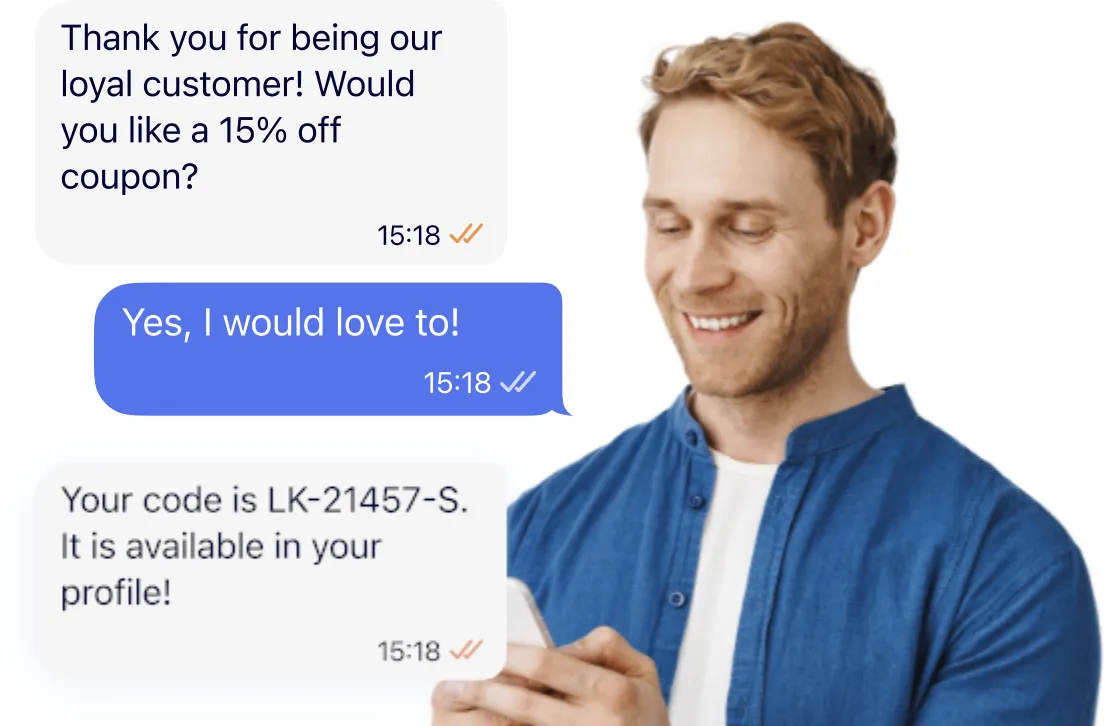
- Discount promotions
- Abandoned cart reminders
- Order confirmations
- Delivery notifications
SMS allows retailers to reach customers quickly and drive immediate purchasing decisions.
Healthcare
Healthcare providers use SMS to improve patient communication and reduce missed appointments.
Common healthcare use cases include:
- Appointment reminders
- Prescription notifications
- Health screening alerts
- Patient follow-ups
SMS messaging helps healthcare organizations deliver timely communication while improving operational efficiency.
Travel and Services
Travel companies and service providers often rely on SMS to keep customers informed about schedule changes or important updates.
Examples include:
- Flight notifications
- Booking confirmations
- Service appointment reminders
- Itinerary updates
Real-time communication helps ensure customers receive important information when it matters most.
Finance and Security
Financial institutions frequently use SMS messaging for security and account notifications.
Common examples include:
- One-time password authentication
- Transaction alerts
- Fraud notifications
- Account activity updates
SMS is widely used for these alerts because of its reliability and immediacy.
How to Implement Bulk SMS Service in Your Business
Launching a successful SMS messaging program requires careful planning and the right infrastructure.
Choose a Bulk SMS Platform
The first step is selecting a messaging platform that supports high-volume SMS delivery, automation, and campaign management.
Businesses should evaluate factors such as delivery reliability, global reach, analytics capabilities, and integration with existing systems.
Build and Segment Contact Lists
Effective SMS campaigns begin with well-organized contact lists.
Businesses should collect customer consent before sending SMS messages and segment audiences based on customer preferences, location, purchase history, or behavior.
Segmentation allows organizations to send more relevant and personalized messages.
Define Campaign Goals
Each SMS campaign should have a clear objective.
Examples include:
- Driving sales
- Increasing event attendance
- Sending service updates
- Collecting customer feedback
Clear goals help businesses measure performance and optimize future campaigns.
Compose Effective Messages
SMS messages must be concise and clear.
Effective SMS messages typically include:
- A clear purpose
- A strong call to action
- Relevant information for the recipient
Because SMS messages are short, businesses must communicate their message efficiently.
Schedule and Automate Campaigns
SMS campaigns can be scheduled in advance or triggered automatically based on customer activity.
Examples of automated messaging include appointment reminders, order confirmations, and account alerts.
Automation allows businesses to maintain consistent communication without manual intervention.
Test, Track, and Refine
Successful SMS programs rely on continuous optimization.
Businesses should monitor campaign performance, track delivery and engagement metrics, and refine messaging strategies based on results.
Testing message content, timing, and segmentation can significantly improve performance.
Best Practices for Bulk SMS Success
To maximize results and maintain customer trust, businesses should follow established SMS messaging best practices.
Maintain explicit opt-ins and easy opt-outs
Customers must provide clear consent before receiving SMS messages from a business. This opt-in process helps ensure that recipients expect and welcome the messages they receive. Businesses should also provide simple opt-out options within every SMS campaign so customers can unsubscribe easily. Maintaining transparent consent practices not only supports regulatory compliance but also helps build long-term customer trust.
Segment audiences and limit frequency
Sending too many messages can quickly lead to customer fatigue and increased opt-outs. Segmenting audiences allows businesses to deliver more relevant messages based on customer behavior, preferences, or location. Targeted messaging ensures customers receive information that is useful to them rather than generic promotions. Businesses should also establish frequency limits to prevent over-messaging and maintain a positive customer experience.
Use branded links and deliverability checks
Using branded links in SMS messages helps reinforce brand recognition and improve customer trust. Customers are more likely to click on links that clearly reflect the sender’s brand rather than generic or shortened URLs. Businesses should also conduct deliverability checks before sending campaigns to ensure messages are properly formatted and reach their intended recipients. These checks help prevent failed deliveries, filtering issues, and performance problems.
Schedule messages by local time
Timing plays a significant role in SMS engagement and response rates. Businesses should schedule campaigns according to the recipient’s local time zone to ensure messages arrive at appropriate times. Sending messages too early in the morning or late at night can frustrate customers and increase opt-out rates. Respecting quiet hours helps businesses maintain a professional communication experience.
Keep messages concise and avoid spam patterns
SMS messages should be short, clear, and focused on a single purpose. Because text messages have limited space, businesses should prioritize essential information and a clear call to action. Avoid using excessive punctuation, all caps, or misleading promotional language that may resemble spam. Writing concise and straightforward messages improves readability and helps ensure successful delivery.
Frequently Asked Questions About Bulk SMS for Business
What is a bulk SMS service?
A bulk SMS service is a messaging platform that enables businesses to send text messages to large groups of recipients simultaneously. These platforms manage message routing, delivery tracking, automation, and campaign management.
Is bulk SMS marketing effective?
Yes. SMS marketing campaigns often achieve significantly higher open and response rates than many other digital channels because messages are delivered directly to mobile devices and typically read quickly.
Is bulk SMS legal?
Bulk SMS is legal in most regions as long as businesses follow communication regulations. Organizations must obtain customer consent, provide opt-out options, and comply with local messaging laws.
How many SMS messages can businesses send at once?
Bulk SMS platforms are designed to support high-volume messaging, allowing businesses to send thousands or even millions of messages depending on the provider and messaging infrastructure.
Why Bulk SMS Remains Important for Business Communication
Despite the growth of messaging apps and social media channels, SMS continues to play a critical role in business communication.
Because SMS works across nearly every mobile device and does not require an internet connection, it remains one of the most reliable channels for delivering time-sensitive messages.
For organizations that need to reach customers quickly and consistently, bulk SMS remains a powerful communication tool for marketing, service notifications, and customer engagement.